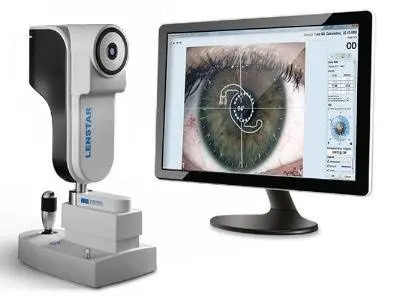
Lenstar optical biometry
Measurements used for individualised IOL power calculation.


Cataract Excellence • Delhi Eye Care
Careful examination, accurate measurements and the right lens plan help align your result with how you read, work, drive and live.

Start with your concern
Could this be cataract?
A cataract develops when the eye’s natural lens loses clarity. The change is usually gradual and may affect daily life long before vision becomes severely reduced.
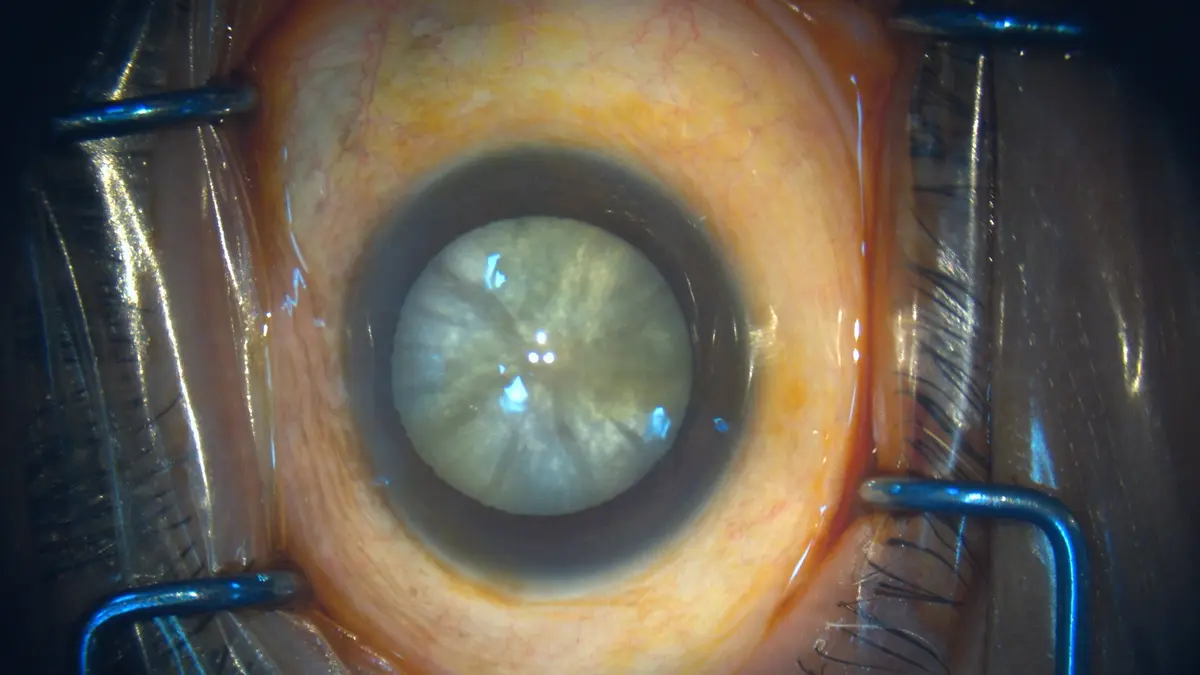
A dense cataract can markedly reduce clarity and contrast.
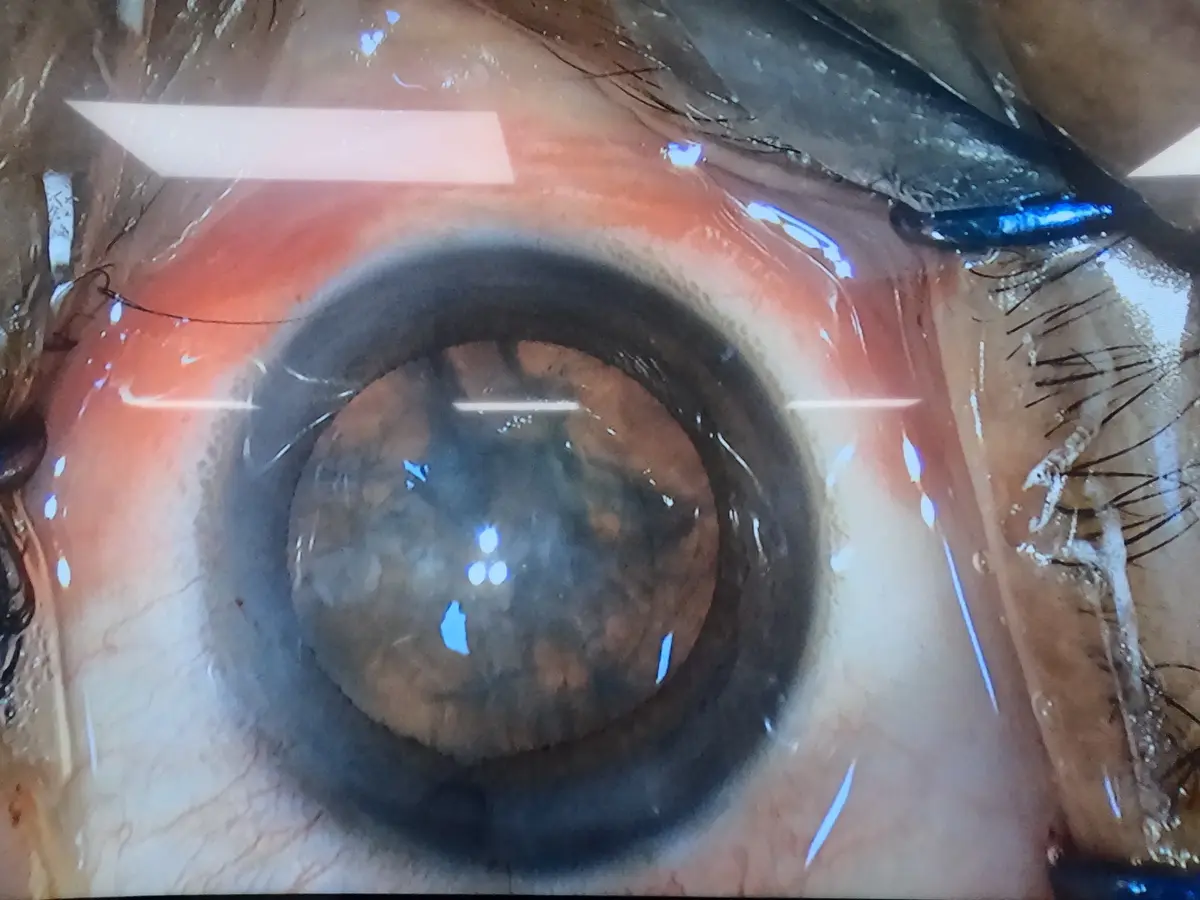
Cataracts vary in type and appearance—examination determines what is affecting vision.
An educational simulation
The effect differs from person to person. These simulations illustrate common descriptions and are not a diagnostic test.


The right time
The right time is when reduced vision interferes with something that matters to you—or when your examination shows a clinical reason not to wait.
Are print, phones or computer work becoming tiring?
Do headlights or low light reduce your confidence?
Is vision limiting mobility, work or familiar tasks?
Before the operation
Not every patient needs every investigation. Testing is selected according to the individual eye, general health and proposed lens plan.
Confirms the type and severity of cataract and whether spectacles can still provide useful improvement.
Identifies glaucoma, macular or retinal conditions that could influence planning or the final visual result.
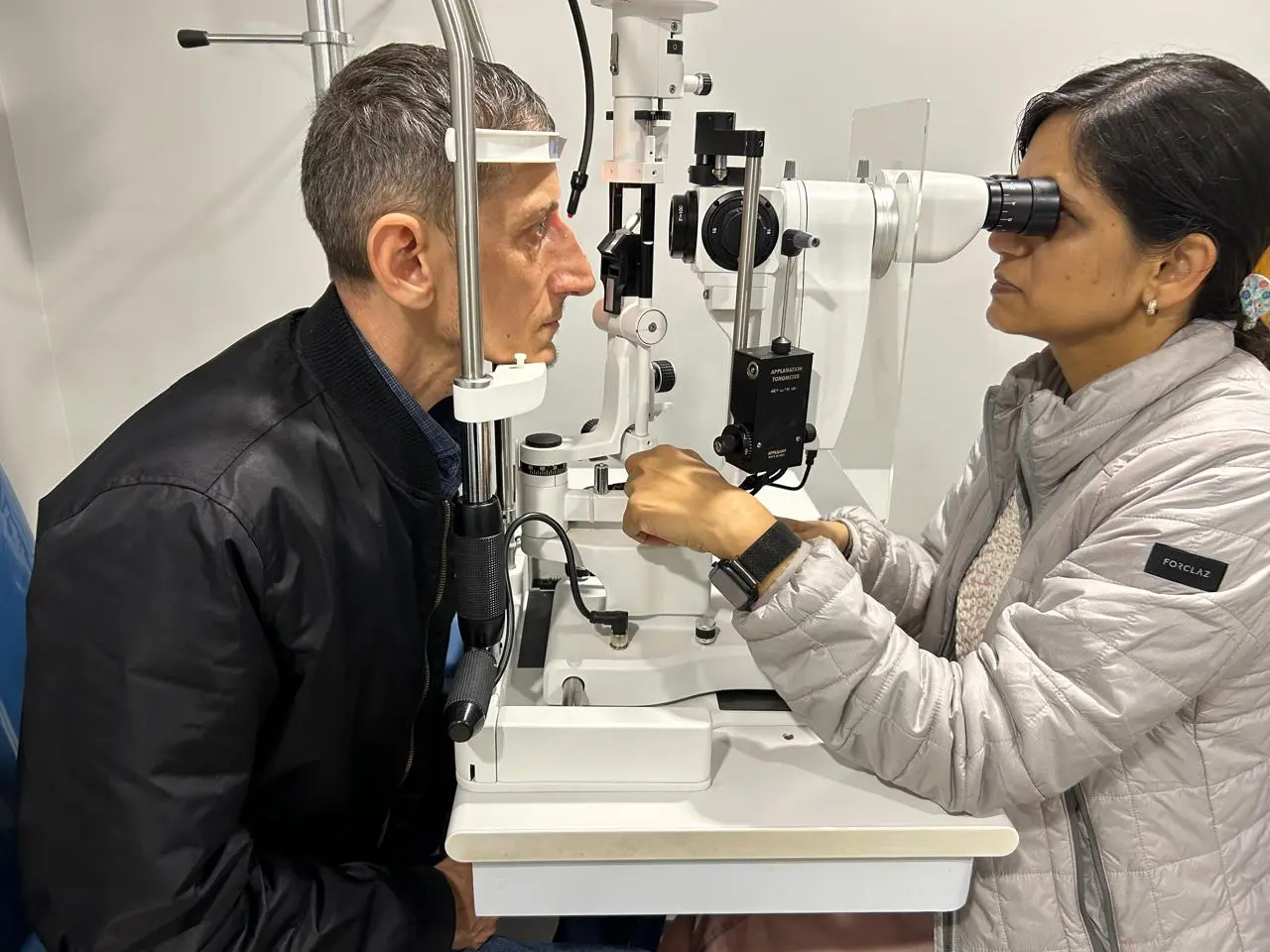
Measures the eye accurately to calculate the power of the intraocular lens.
Pentacam assessment maps corneal shape, astigmatism and suitability for selected advanced lens strategies.
Reading, screens, driving, hobbies and willingness to use glasses all matter in lens selection.
OCT and other investigations may be advised when the retina, optic nerve or cornea needs closer assessment.
Measurements used for individualised IOL power calculation.
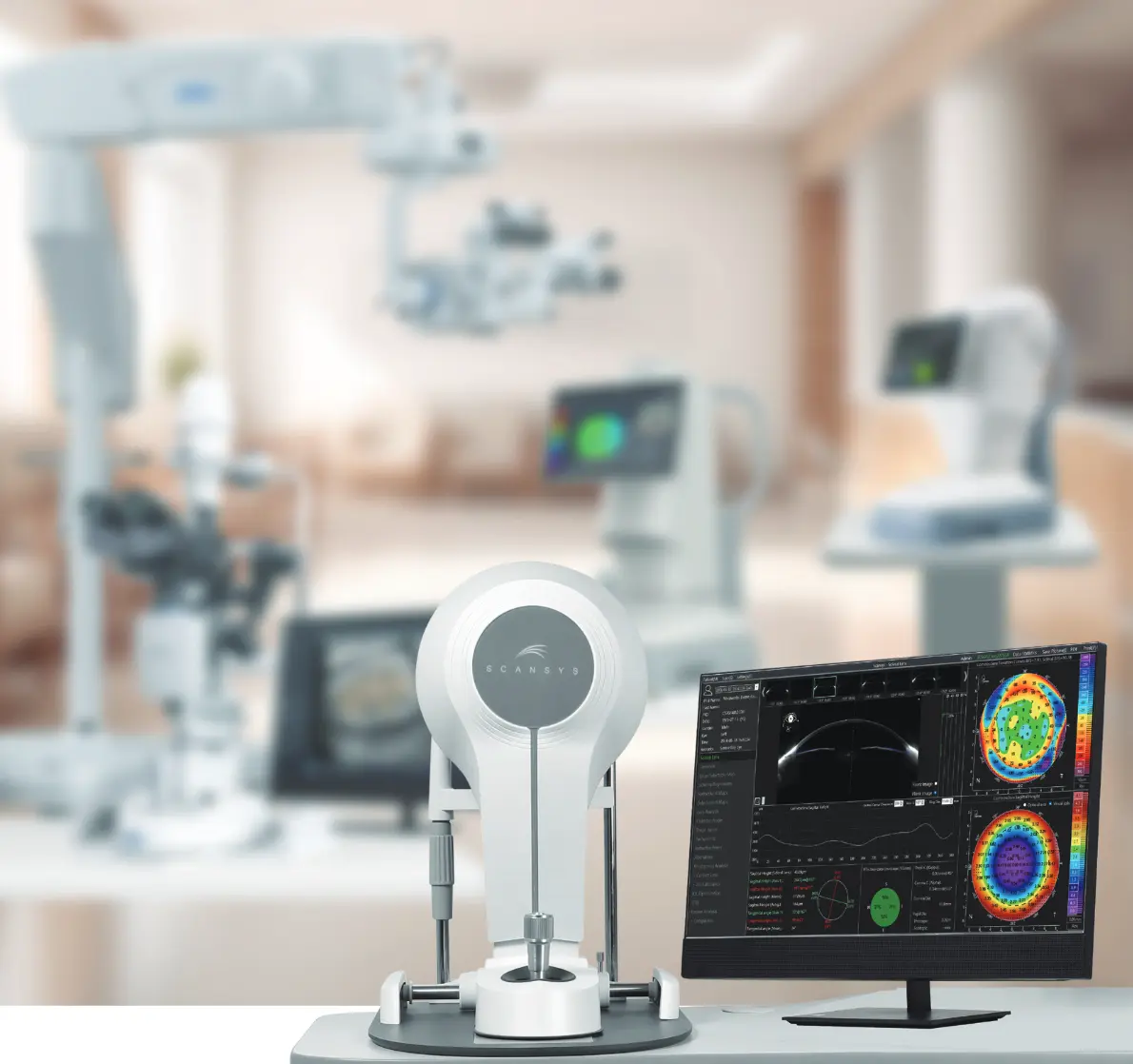
Maps corneal shape and astigmatism for more informed lens planning.
Your cataract surgeon
Dr. Nidhi Gupta is Medical Director of Delhi Eye Care and leads its Cataract, Refractive and Glaucoma services. With more than 18 years of ophthalmic experience and over 15,000 ophthalmic surgeries, she combines precise surgical planning with a calm, patient-centred approach.
She takes time to understand how each patient uses their vision, explains appropriate choices without pressure and remains closely involved throughout recovery.
From Dr. Nidhi’s desk
Clear, practical eye-care guidance written to help patients and families understand their choices.
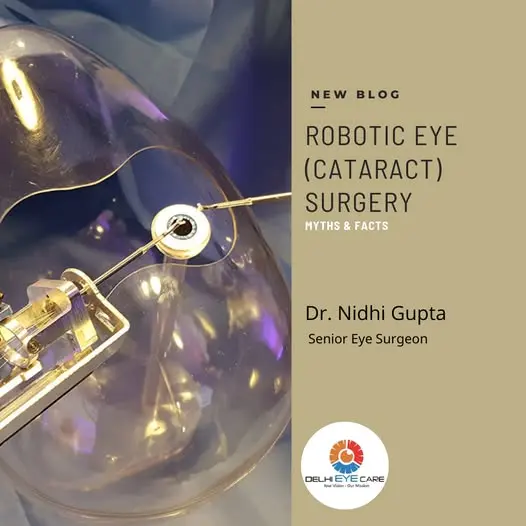
Dr. Nidhi Gupta discusses robotic technology and its evolving role in eye surgery.
Read the original article on Facebook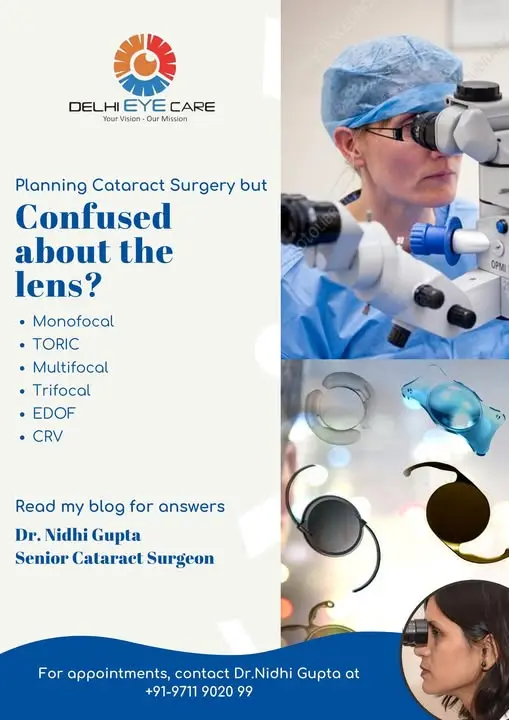
A patient-friendly discussion to help make sense of cataract lens choices.
Read the original article on FacebookFacebook may ask visitors to sign in before displaying the complete post.
Cataract surgery, simply explained
The cloudy natural lens is removed and replaced with a clear artificial intraocular lens. Most modern cases are performed with phacoemulsification or micro-incision cataract surgery.
Anaesthesia is selected for comfort and safety according to the patient and the eye.
The cataract is gently broken and removed through a small incision.
The selected intraocular lens is implanted inside the eye.
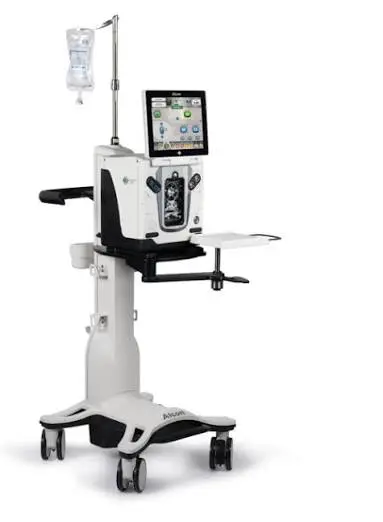
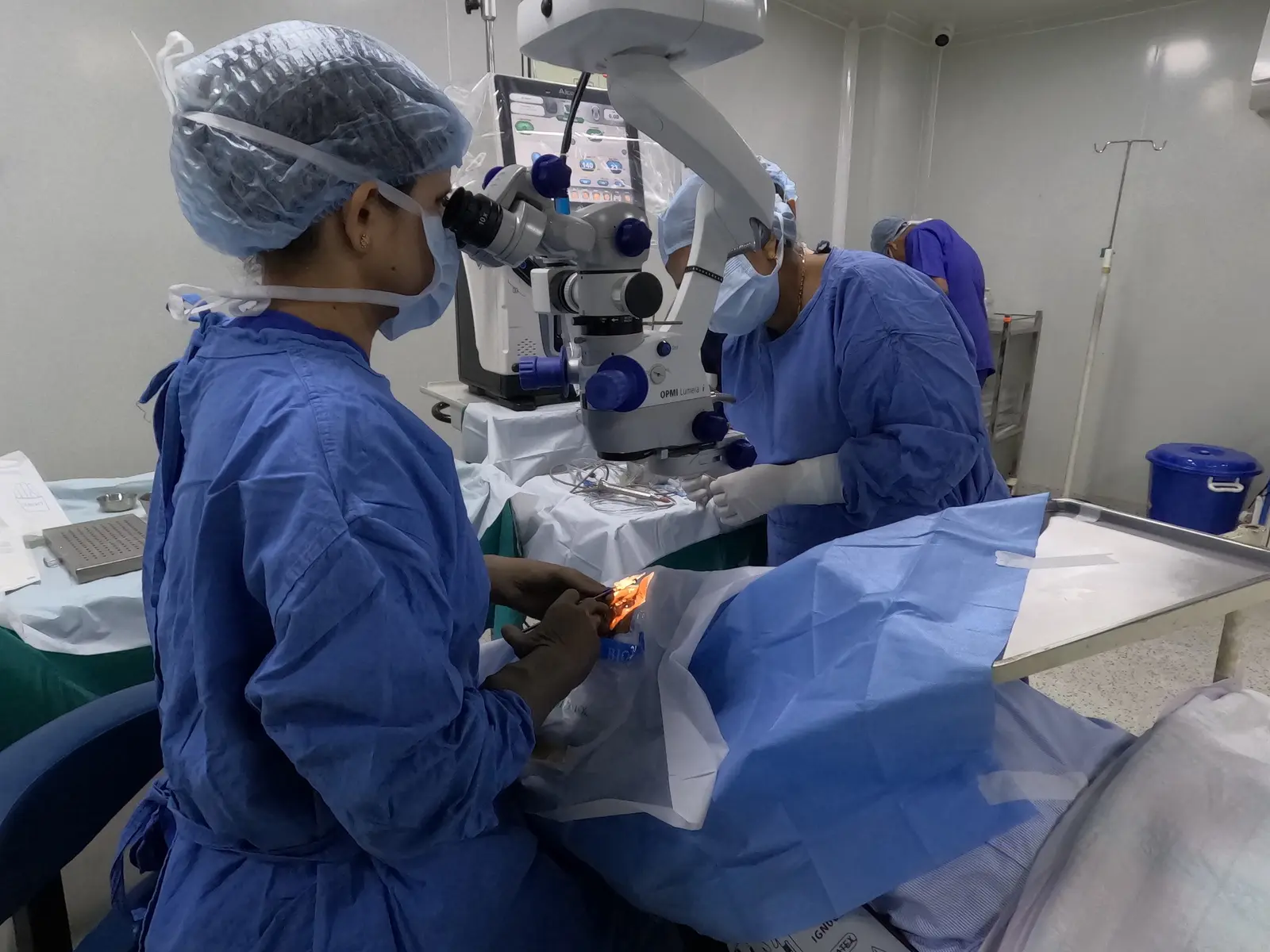
Phaco platform for controlled ultrasound, irrigation and aspiration.
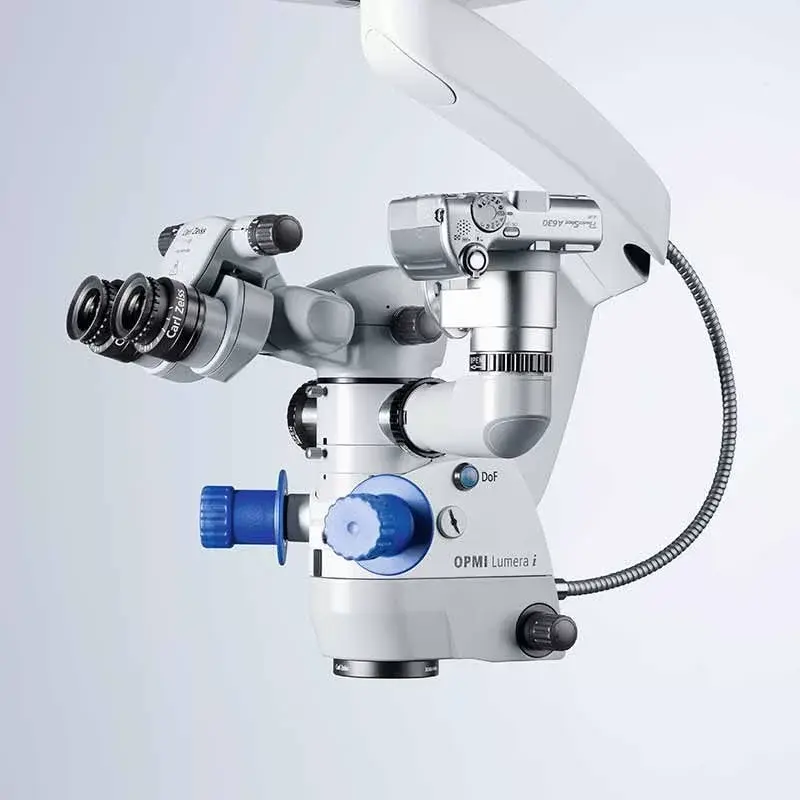
Illuminated magnification for precise microsurgical tissue handling.
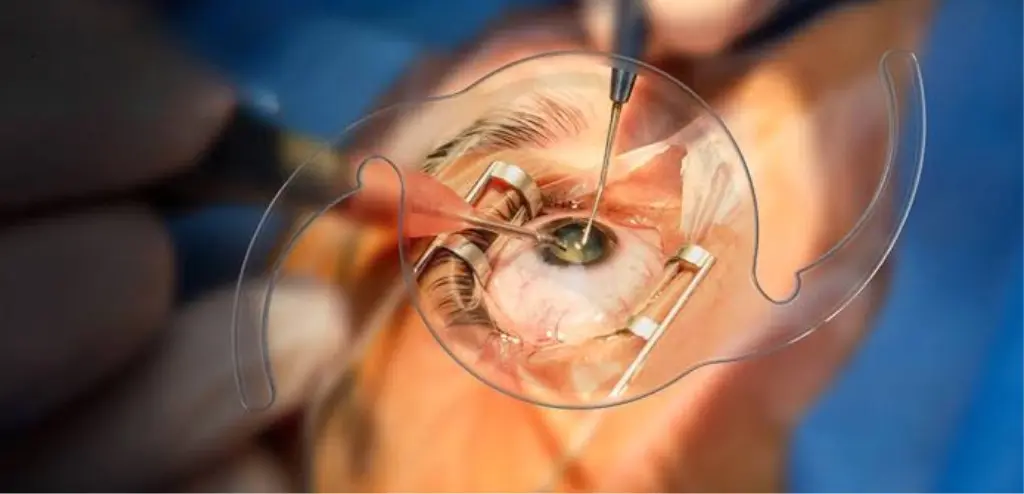
Inside the DEC operating theatre
A short, authentic view of microsurgery at Delhi Eye Care. The video is shown with patient privacy maintained and remains paused until the viewer chooses to play it.
Femtosecond laser-assisted cataract surgery can be arranged in selected cases when clinically appropriate or when a patient wishes to explore the option. It is not automatically superior for every eye.
The most personal decision
Lens choice begins with your eye health and visual priorities—not with a package label.
A smooth optic designed primarily for one chosen focus.
Alignment marks help correct suitable corneal astigmatism.
Optical design intended to extend the useful range of focus.
Concentric optical zones distribute focus across distances.
Educational illustrations only; actual IOL designs vary by manufacturer and model.
| Lens strategy | Main aim | Glasses may still be needed | Important consideration |
|---|---|---|---|
| Monofocal | Clear focus at one chosen distance | Usually for other distances | Established option with strong optical quality |
| Enhanced monofocal | Distance with a useful extension toward intermediate | Often for near; sometimes intermediate | The useful range varies by lens and eye |
| Toric | Correct suitable corneal astigmatism | Depends on the underlying lens design | Requires accurate measurement and alignment |
| EDOF | Broader distance-to-intermediate range | Often for fine near work | Halos, glare or contrast trade-offs can occur |
| Multifocal / trifocal | Greater range, including near | Spectacle independence is not guaranteed | Not suitable for every cornea, retina, optic nerve or lifestyle |
The best lens is not necessarily the most expensive lens. It is the lens whose benefits and compromises fit your eyes, lifestyle and expectations.
One cataract. Many different eyes.
Cataract surgery may need additional planning when other eye conditions are present. Delhi Eye Care can coordinate cataract care with its retina, glaucoma, cornea and refractive services.
Ethical guidance
You will be shown the options suitable for your eye. Their benefits, limitations and costs will be explained transparently—without pressure to choose the most expensive lens or technology.
The DEC cataract journey
Measurements, medical review, medication instructions, eye-health assessment and an unhurried lens discussion.
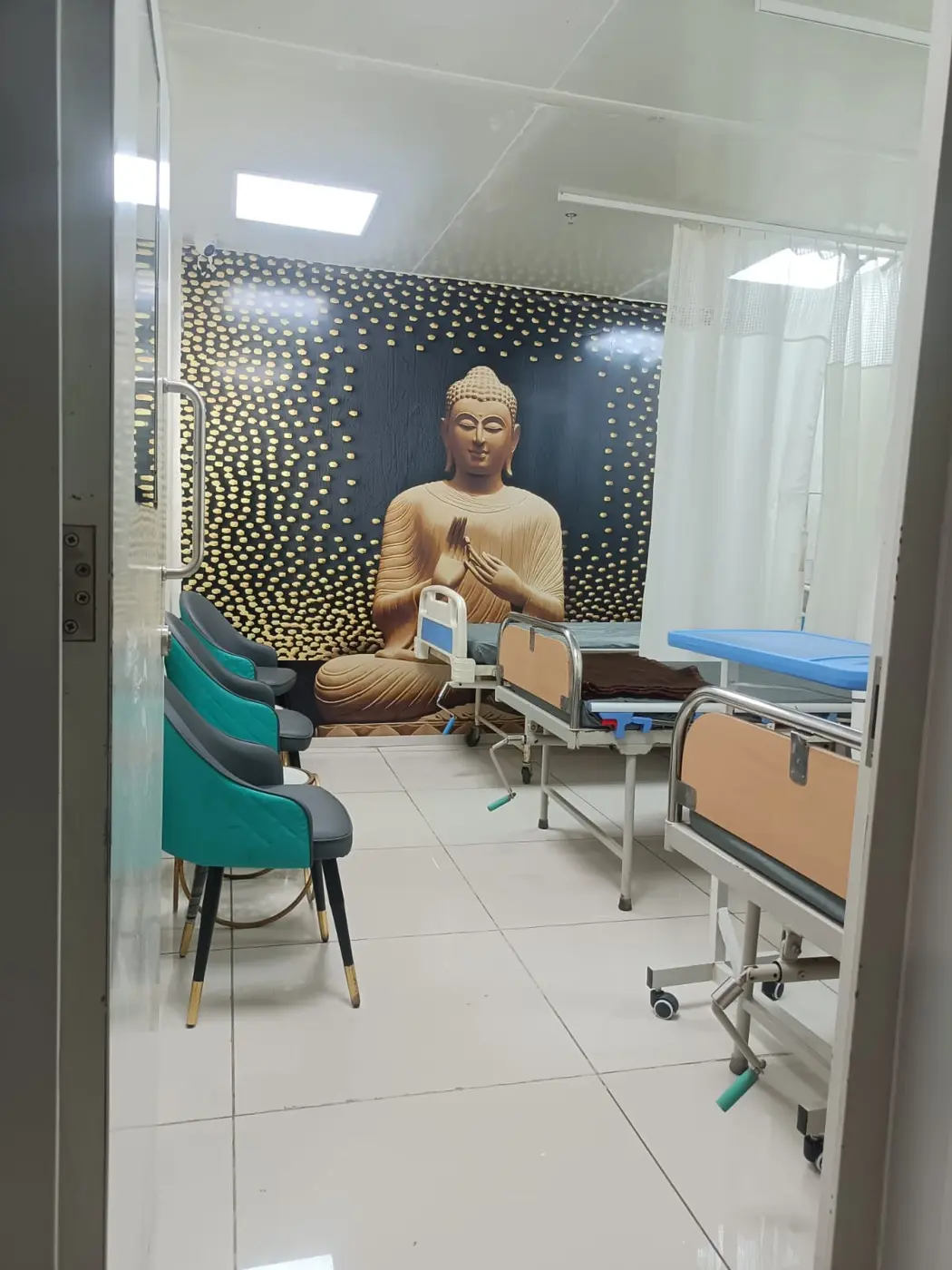
Day-care admission, appropriate anaesthesia, careful surgery and written discharge guidance.
Prescribed drops, eye protection, activity advice, planned follow-ups and help if recovery is not progressing as expected.

Patient experience
Patients frequently describe Delhi Eye Care as organised, supportive and reassuring. Reviews repeatedly value clear explanations, careful cataract follow-up and a cooperative team.
*Rating and count observed September 2026. Replace with a live Google review widget so this remains current.
Patients repeatedly value Dr. Nidhi’s careful explanation of findings, surgery and lens choices.
Feedback frequently recognises attentive follow-up and the cooperative, patient-oriented DEC team.
Plan your cataract journey
Open only the information you need now. Each guide provides focused detail without making the main page overwhelming.
Common questions
Surgery is usually considered when cataract-related vision affects activities important to you, or when your ophthalmologist finds a clinical reason not to wait. A cataract does not ordinarily need to become “ripe.”
The eye is numbed before surgery. Most patients experience little or no pain during the procedure, although sensations of pressure, touch or bright light can occur. Mild irritation during early recovery is possible.
There is no single best lens for everyone. The choice depends on corneal measurements, retina and optic-nerve health, astigmatism, previous eye surgery, night-driving needs, reading habits and expectations about spectacles.
No lens can guarantee complete spectacle independence. Some options can reduce dependence on glasses at selected distances, but each has limitations that should be discussed before surgery.
The removed cataract cannot return. Months or years later, the thin capsule behind the lens can sometimes become cloudy. This is called posterior capsule opacification and can usually be treated with a brief YAG laser procedure.
Surgery may still be appropriate, but the condition can change the timing, investigations, lens choice, treatment plan or likely visual result. Coordinated specialist planning is particularly important.
Many patients notice improvement within the first few days, but vision may fluctuate while the eye heals. The individual timetable depends on the cataract, the eye, the surgery and any other eye conditions.
Cost varies with the clinical complexity, surgical setting, investigations, chosen intraocular lens and insurance or scheme coverage. Delhi Eye Care explains suitable options and costs transparently before surgery.
Your next step
Whether you are considering surgery for yourself or helping a parent decide, we will explain the findings, appropriate choices, likely benefits and limitations clearly.
4/21, Balraj Khanna Marg, near Amrapali Hotel, East Patel Nagar, New Delhi 110008
Call Dr. Nidhi’s OPD
Monday–Saturday • 9:00 AM–1:00 PM
Pre-booking of appointments is desirable.