Create access
A small corneal incision provides controlled entry into the eye.


Small incision • Individualised technique • Delhi Eye Care
The cloudy natural lens is removed through a small incision and replaced with a transparent intraocular lens selected for your eye.
How it works
Most routine cases are performed under local or topical anaesthesia. You are usually awake but the eye is numbed.
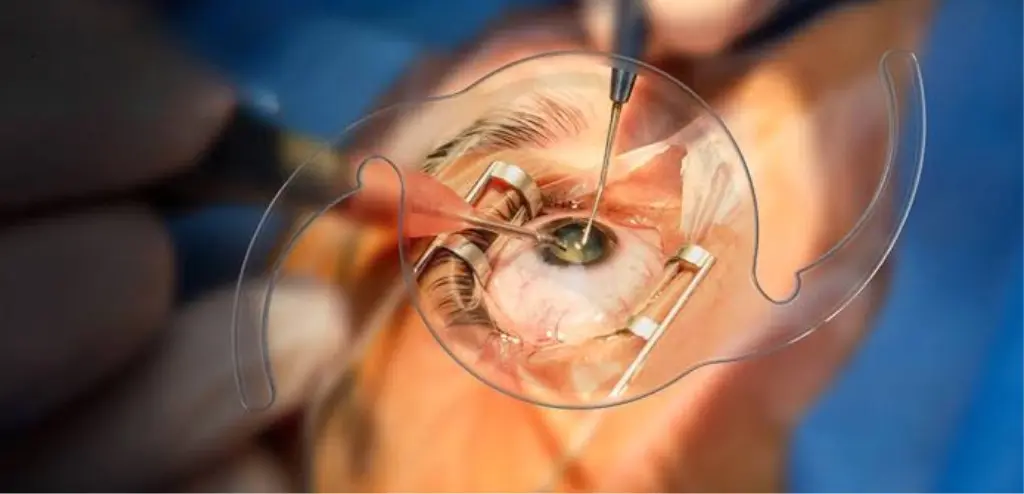
Ultrasound energy fragments the cloudy lens, which is removed through a small corneal incision.
A foldable intraocular lens is placed inside the lens capsule. The incision is usually self-sealing.
Phaco and MICS
Phacoemulsification uses ultrasound to remove the cataract. MICS refers to micro-incision cataract surgery performed through a particularly small incision. The appropriate approach is chosen according to the eye—not as a marketing label.
Femtosecond laser
Femtosecond-assisted cataract surgery automates selected steps, but it is not automatically superior for every patient.
Phaco and MICS are routinely available. Femtosecond assistance can be arranged through an associated facility when Dr. Nidhi believes it offers a meaningful case-specific advantage.
Accurate measurements, appropriate lens selection, surgeon judgement, safe technique and attentive postoperative care remain central to the result.
Inside the procedure
The exact technique changes with cataract density, pupil size, corneal health and the strength of the lens-supporting structures.
A small corneal incision provides controlled entry into the eye.
A circular opening is created in the fine membrane surrounding the natural lens.
Ultrasound fragments the cloudy lens while fluidics maintain a stable surgical environment.
A foldable lens is inserted into the natural capsular bag and centred.
Understand the terminology
| Approach | What it means | Where it fits | Important perspective |
|---|---|---|---|
| Phacoemulsification | Ultrasound is used to break and remove the cataract through a small incision. | The standard modern method for a wide range of cataracts. | Outcome depends on the whole plan—not the machine name alone. |
| MICS | Micro-incision cataract surgery: phaco performed through a particularly small incision. | Used when the eye, cataract and selected IOL allow an appropriate micro-incision approach. | MICS is a refinement of phaco, not a separate “premium” operation. |
| Femtosecond-assisted | A laser performs selected steps before the remaining surgery is completed conventionally. | May be considered for selected case-specific reasons. | It is not automatically necessary or superior for every patient. |
Controlled energy, fluidics and magnification
The equipment supports precision, but the plan and every surgical decision remain surgeon-directed. Dr. Nidhi adapts settings and technique to the individual eye.
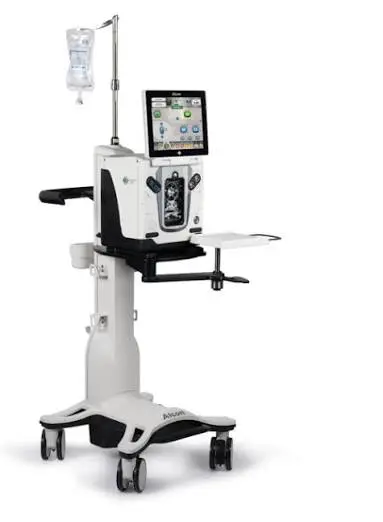
Provides ultrasound energy and manages irrigation and aspiration while the cloudy lens is removed. Settings are adjusted for cataract density and intraoperative response.
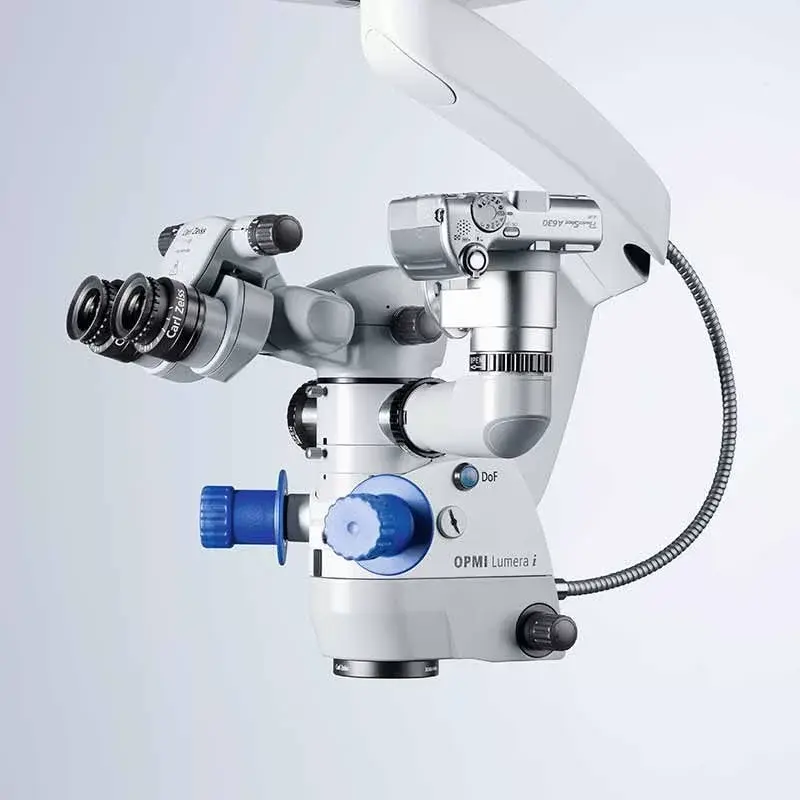
Provides an illuminated, magnified view of delicate eye structures, supporting controlled microsurgical tissue handling through a small incision.
Technology assists the operation; judgement and tissue handling remain central.
Dense cataract, small pupil or weak zonules may need additional strategies.
See the environment
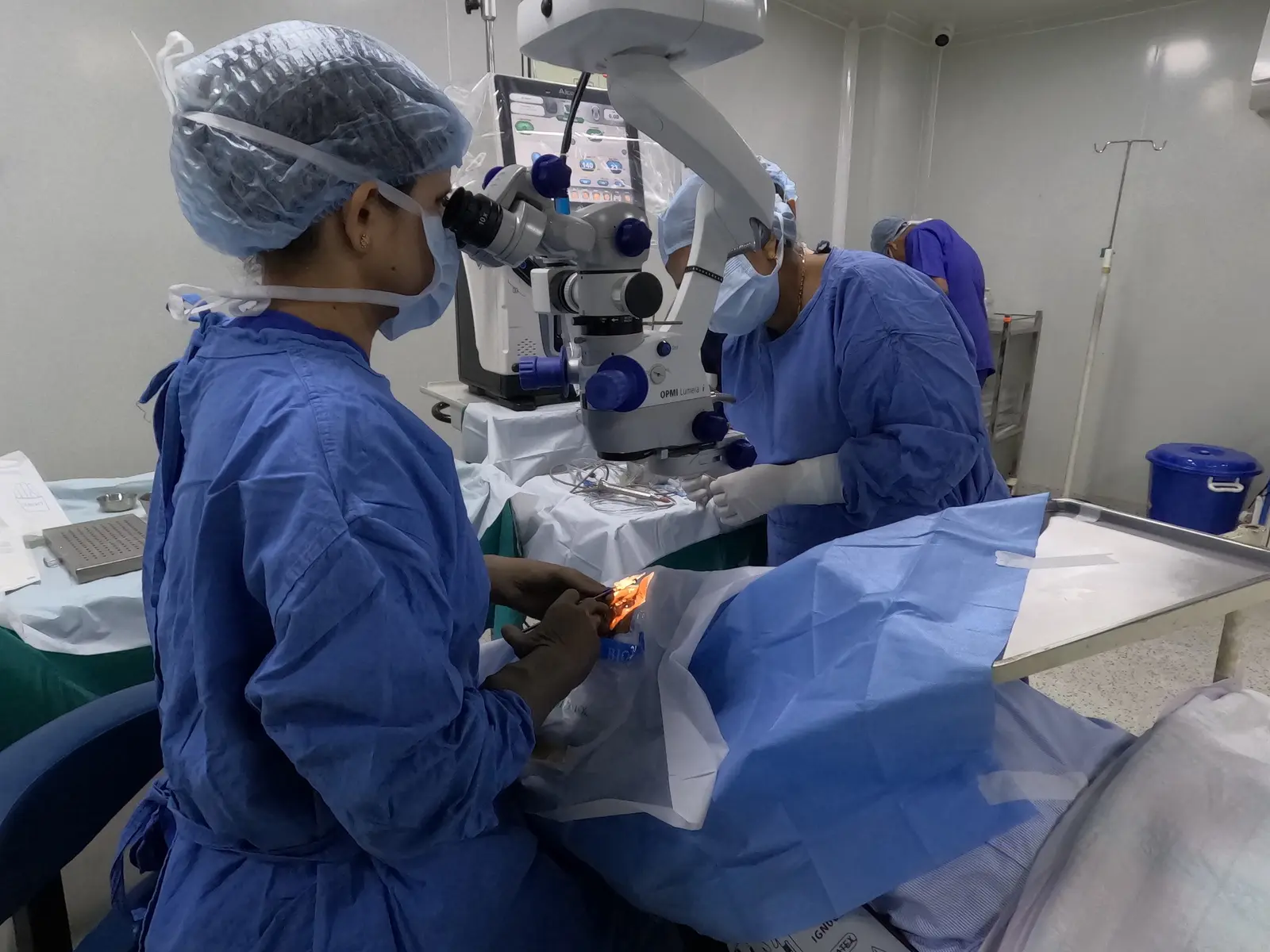
Actual Delhi Eye Care operating-room footage. Surgical images are shown for patient education.
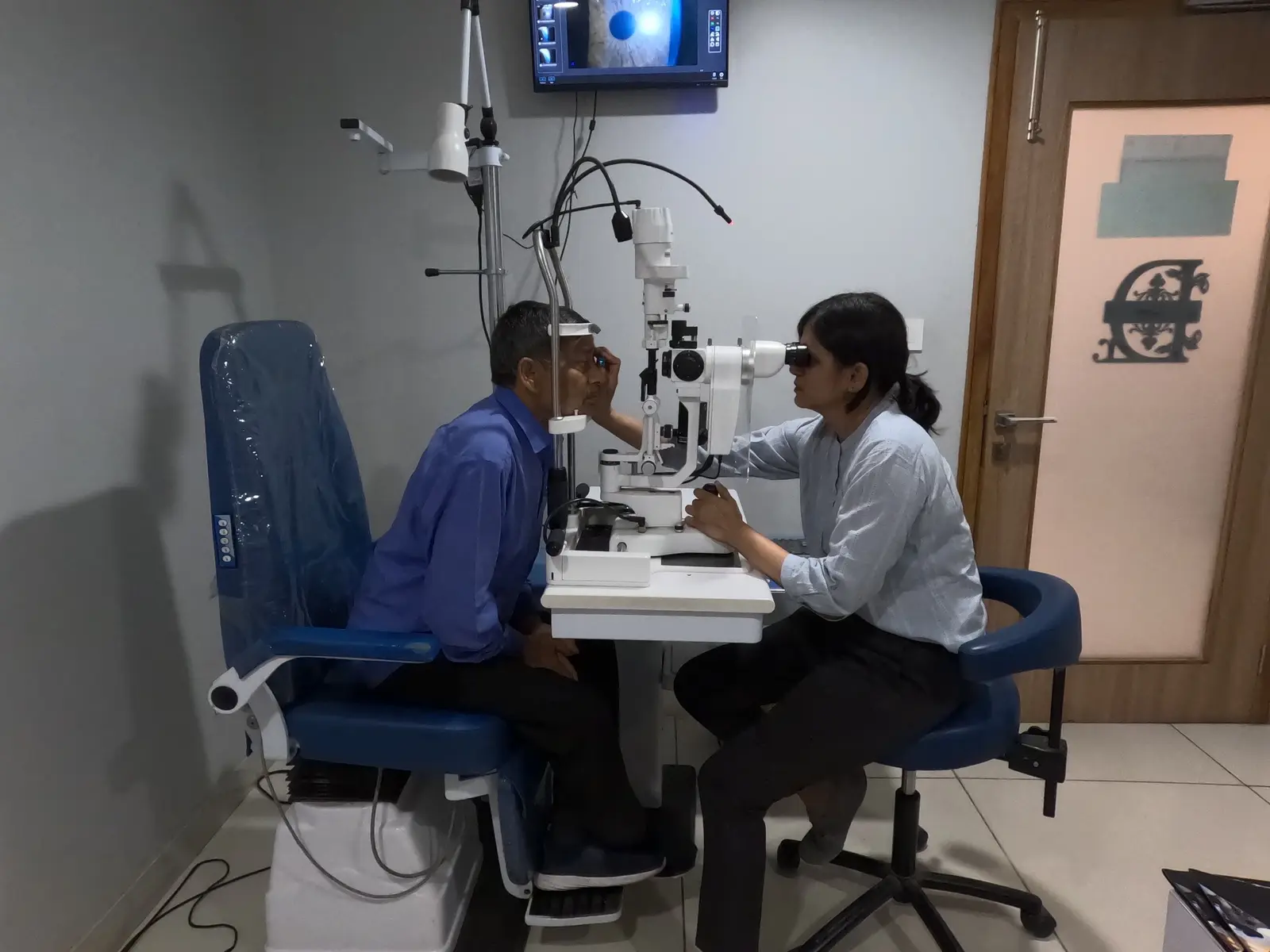
Technique follows the eye
Dr. Nidhi Gupta’s plan incorporates cataract density, corneal status, pupil behaviour, glaucoma, retinal health, previous surgery, medicines and the intended IOL.
“A smaller incision or newer label is not a substitute for choosing the right technique for that particular eye.”
Her care continues after surgery through structured review, medication guidance and access to the team if recovery does not follow the expected course.
Balanced information
Most patients feel pressure, light or fluid rather than sharp pain because the eye is numbed. Anxiety, difficulty lying flat or problems cooperating should be discussed beforehand so anaesthesia and support can be planned appropriately.
Although cataract surgery is commonly performed, complications can occur, including infection, inflammation, pressure change, corneal swelling, retinal problems, lens-position issues or the need for additional treatment. Individual risk varies with the eye and general health.
From Dr. Nidhi’s desk
Dr. Nidhi separates marketing language from the real roles of the surgeon, phaco platform and femtosecond laser.
Read Dr. Nidhi’s article →Common questions
MICS is micro-incision cataract surgery performed using phacoemulsification through a particularly small incision. It is best understood as a refinement of phaco, not an unrelated operation.
Most routine cataract surgery is performed with topical or local anaesthesia, so the patient is awake but the eye is numb. Sedation or another plan may be considered when clinically appropriate.
No. It automates selected surgical steps but is not automatically necessary or superior for every eye. The potential case-specific value, availability and added cost should be discussed.
The small corneal incision is commonly self-sealing, but a stitch may occasionally be placed when the surgeon believes it improves wound security.
The surgical time varies with cataract density and eye complexity. Patients spend longer at the centre because preparation, dilating drops, checks and recovery are separate from operating time.
At DEC, cataract surgery is generally planned one eye at a time, with the timing of the second eye determined individually.
Continue exploring
Delhi Eye Care
A careful evaluation helps separate what is possible from what is appropriate for your eye.
Call: +91 92208 92424
Specialist: Dr. Nidhi Gupta, Medical Director
Cataract, Refractive & Glaucoma Surgeon
Medically reviewed by Dr. Nidhi Gupta • Last reviewed September 2026