
Diabetes may be lifelong.
Vision loss doesn't have to be.
A structured pathway for early retinal screening, clear guidance and continued eye care — built around every person living with diabetes.
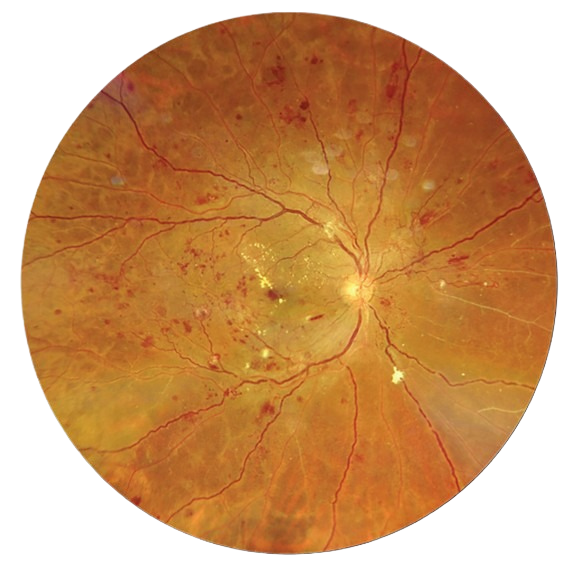
Good vision today does not always mean the retina is unaffected.
Diabetes can weaken the tiny blood vessels that nourish the retina. The earliest changes may cause no pain, blur or warning — yet this is often when observation and systemic control matter most.
OCUBETES makes diabetic eye care easier to understand, remember and continue.
Six moments you should not postpone it.
A normal vision test — or no symptoms — cannot rule out diabetic retinopathy. These timings refer to a comprehensive dilated retinal examination.
At diagnosis
Retinal changes may already be present when type 2 diabetes is first detected. Arrange a dilated retinal examination promptly.
Within 5 years
Adults with type 1 diabetes should begin retinal screening within five years of onset, or sooner if their doctor advises.
Every year — or as advised
Continue regular examinations even with normal vision. Your specialist may lengthen or shorten the interval according to findings and control.
Before pregnancy or early in it
Women with pre-existing type 1 or type 2 diabetes need retinal assessment before conception or in the first trimester, with follow-up as advised.
Never miss the planned review
Macular swelling, bleeding, new vessels, previous laser, injections or retinal surgery may require closer monitoring than annual screening.
New or sudden visual symptoms
Seek prompt eye care for sudden loss or blur, many new floaters, flashes, a curtain or shadow, distorted vision, or new dark patches.
What happens
during the visit?
History & vision
We understand your diabetes, treatment history and present visual concerns.
Dilated retinal examination
The retina is examined carefully beyond a routine spectacle-power check.
Imaging when indicated
Fundus photography, OCT or angiography may help document hidden changes.
Your colour and care plan
We explain the findings, category and next review or treatment.
Where do my eyes stand?
After examining your retina, the OCUBETES team explains the next step using a clear three-tier guide. Your category is decided by your retina specialist — not by symptoms alone.
Protect & review
No vision-threatening retinal changes at present, or only changes that need routine observation.
Continue diabetes control and return as advised.
Watch more closely
Retinal changes need closer monitoring, improved systemic control or additional imaging.
Do not miss the planned follow-up.
Act at the right time
Vision-threatening changes may require prompt specialist care, treatment or surgery planning.
Follow the retina specialist's treatment plan.
Important — even a tier-one result needs future retinal checks, because diabetes and retinal risk can change over time.
One journey.
Nine clear steps.
Explore one step at a time — from awareness and examination to treatment, follow-up and lifelong eye care.
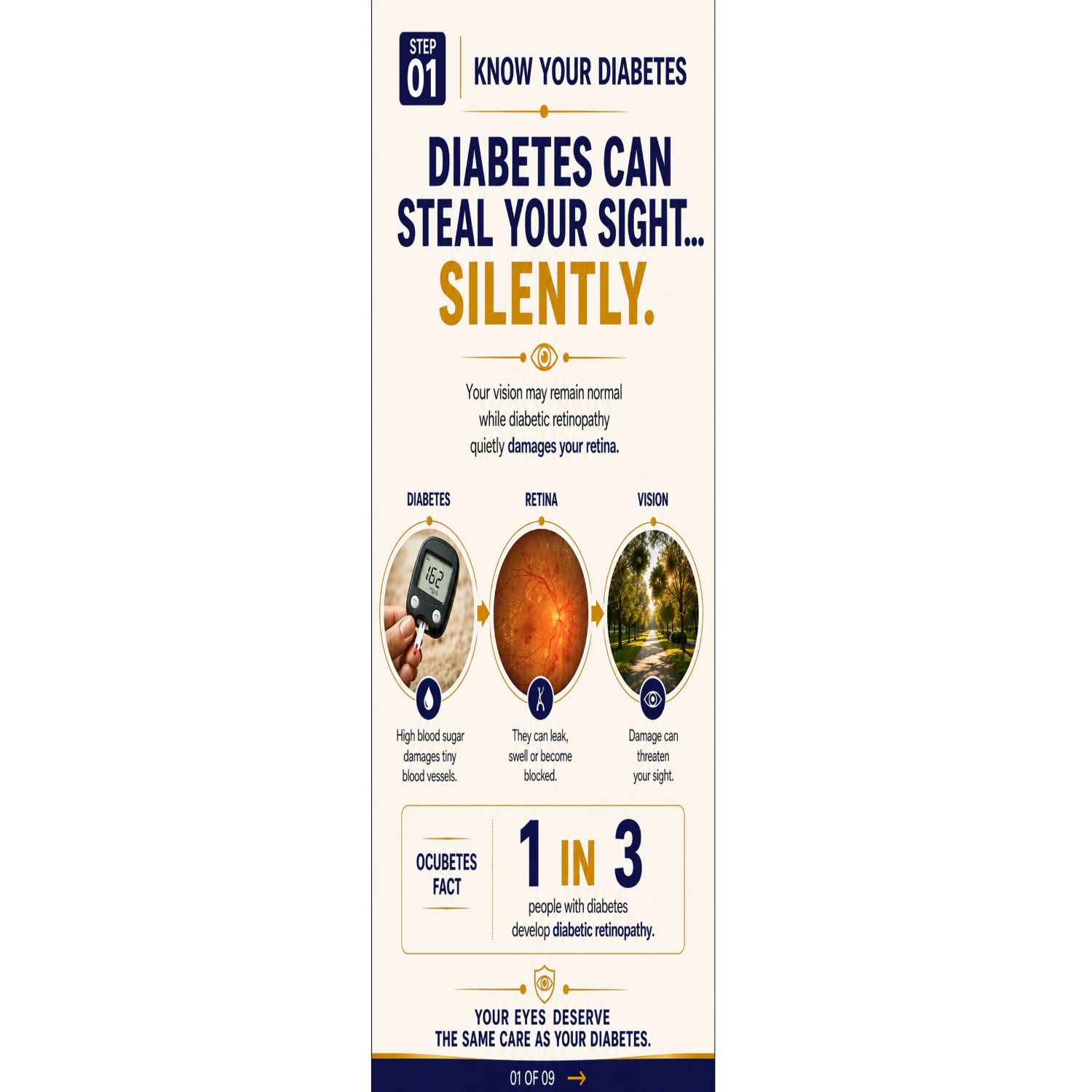
Know your diabetes
Diabetes can damage tiny retinal vessels while vision still feels normal.
Living with diabetes?
Make the retina part of your routine.
Screening is especially important if you have had diabetes for several years, are pregnant, have kidney or blood-pressure concerns, or were previously told about retinal changes.
Find the right time for your check →
From screening to advanced treatment — when it is actually needed.
Not every eye needs treatment. Every eye needs the right plan.
Care progresses only as your retinal findings require.
Establish a retinal baseline
Dilation and photography document where your retina stands today.
Look deeper when required
OCT or angiography helps identify swelling, leakage and abnormal vessels.
Compare change over time
Sequential review shows whether observation and better control are sufficient.
Intervene at the right stage
Injection, laser or surgery is advised only when the eye genuinely needs it.
Eye care that stays with you.
Today's examination becomes tomorrow's reference.
OCUBETES keeps your findings, follow-up timing and care guidance connected as diabetes and retinal risk change over time.
Planned follow-ups
Your next eye check is scheduled according to your retinal findings.
Timely reminders
Gentle reminders help prevent important reviews from being missed.
Simple education
Practical information helps you understand changes without creating fear.
Connected care
A pathway designed to work alongside your physician and diabetes-care team.

Specialist judgment.
A reassuring conversation.
OCUBETES is guided by Dr. Shashank Rai Gupta, Vitreo-Retina Consultant and Retina Surgeon. His role is not simply to identify disease, but to help each patient understand what the retinal findings mean, whether treatment is needed, and what comes next.
"The most valuable diabetic eye visit is one that ends with clarity — not anxiety."
One patient.
One connected care plan.
Refer for retinal evaluation, imaging, treatment opinion or continued monitoring. We share relevant findings to support coordinated diabetes care.
- Retina-led evaluation
- Clear next-step plan
- Feedback to the referring clinician
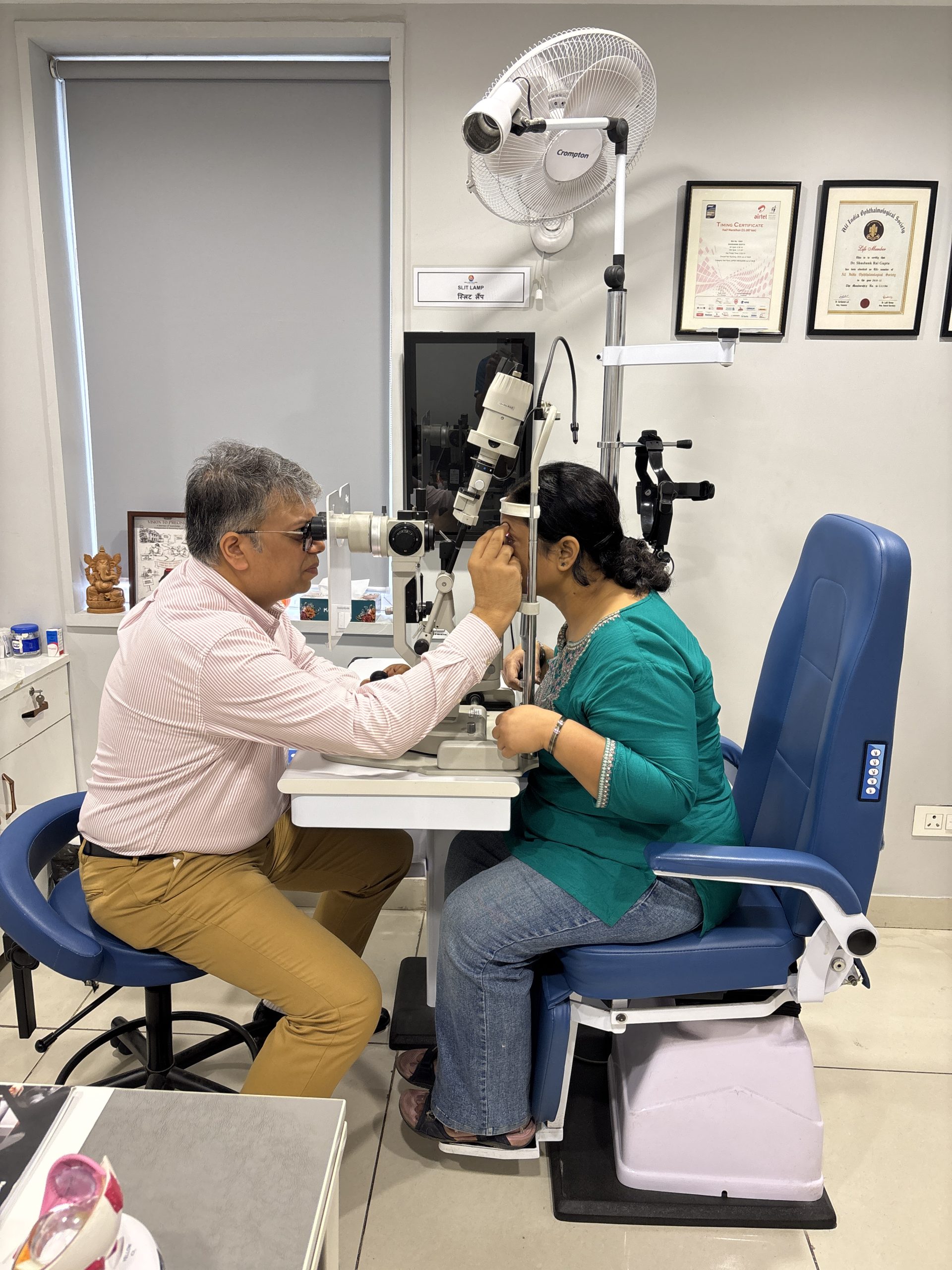
Clear answers before your visit.
A little preparation makes the visit easier.
Clear guidance, grounded in trusted eye-health information — including the NHS. Individual screening and treatment decisions remain personalised.
Bring your health details
Duration of diabetes, current sugar control and related medications.
Bring previous eye records
Past prescriptions, retinal photos or reports help track change over time.
Plan for dilation
Vision may stay blurred for a few hours — consider arranging travel accordingly.