

Before surgery • Patient guide • Delhi Eye Care
A well-prepared surgery day begins before you reach the OT.
Know what to arrange, what to bring and which questions to ask. Your written instructions from Dr. Nidhi Gupta and the DEC team always take priority.
The preparation pathway
Four decisions before surgery day
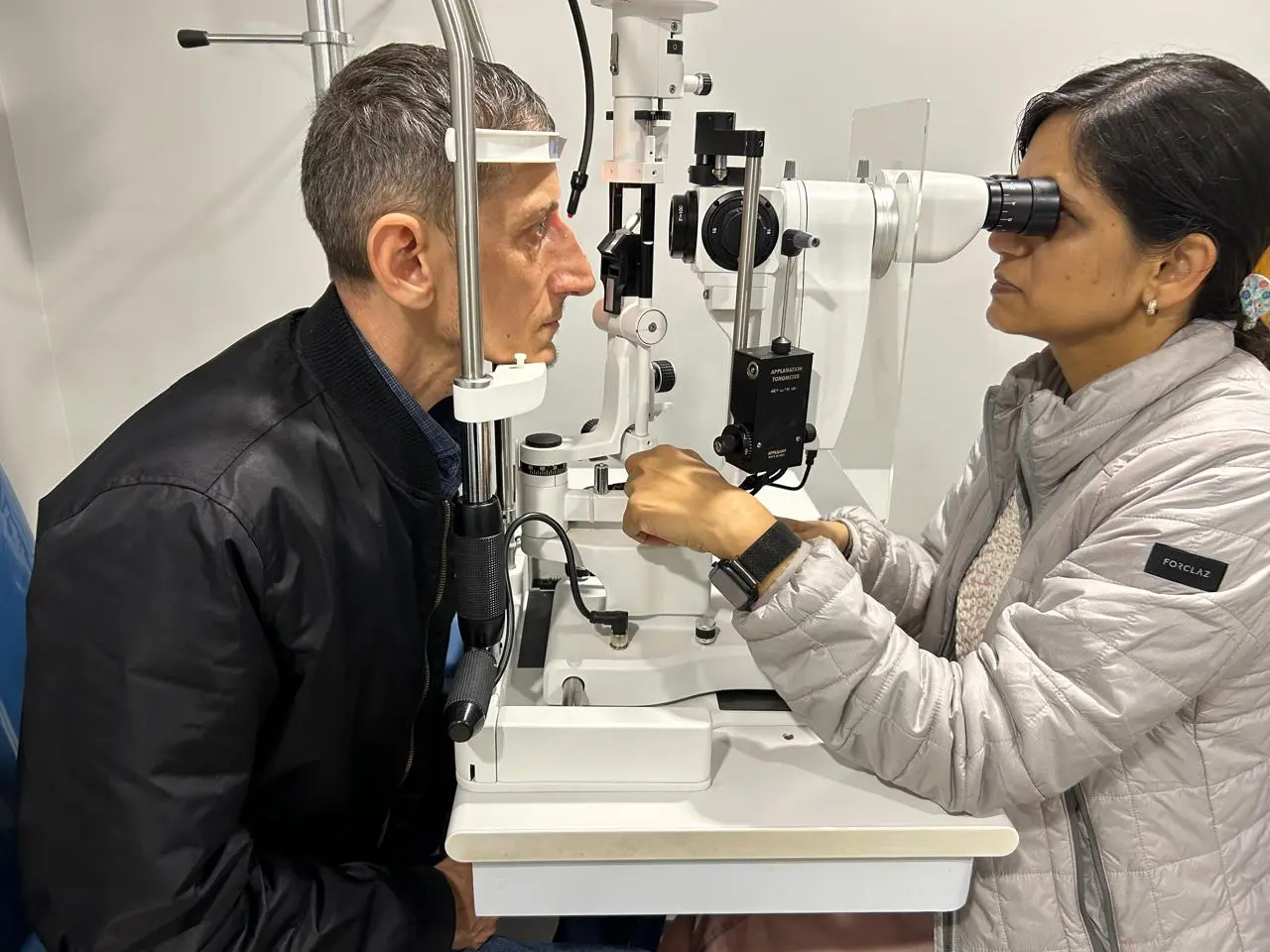
Confirm eye health
Cataract, cornea, pressure, pupil, retina and optic nerve are assessed. Additional tests are advised only when relevant.
Calculate the IOL
Biometry and corneal measurements guide lens power and astigmatism planning.
Agree on the plan
Technique, IOL category, spectacle expectations and limits from other eye disease are discussed.
Plan safely
Your health, medicines, anaesthesia needs and administrative requirements are reviewed.
Medicines and medical conditions
Tell us everything you take—even if it seems unrelated to the eye.
The evening before and surgery day
A practical checklist
Please do
- Use preoperative eye drops exactly as prescribed.
- Bathe and wash your face and hair beforehand.
- Wear clean, loose and comfortable clothing.
- Follow the specific fasting instructions given for your anaesthesia plan.
- Arrive at the stated reporting time with an adult attendant.
- Bring all requested reports, identification and payment or insurance documents.
Please avoid
- Eye makeup, kajal, face cream, perfume or jewellery on surgery day.
- Driving yourself to or from the hospital.
- Assuming that “local anaesthesia” means fasting never applies.
- Changing the chosen eye or lens plan without speaking to the team.
- Ignoring fever, cough, eye redness, discharge or a new illness.
- Bringing valuables that are not required.
What to bring
Your surgery-day folder
Medical
Current medicines, allergy information, physician advice and previous eye records.
Administrative
Government photo ID, insurance/TPA card, approvals and requested forms.
Personal
An attendant, transport home, current spectacles and prescribed eye drops.
Before you give consent
Make sure these questions have clear answers.
If you are unsure, ask again.
Good counselling is not rushed. The aim is informed consent: you should understand the intended benefit, reasonable alternatives, important risks and the expected recovery plan.
Common questions
Frequently asked
Can I eat before cataract surgery?
It depends on the planned anaesthesia, your health and the instructions given to you. Follow DEC’s case-specific fasting instructions rather than general online advice.
Should I stop aspirin or another blood thinner?
Not without medical advice. Stopping these medicines can carry risk. Inform the team and follow the coordinated recommendation from your surgeon and treating physician.
Can I take my diabetes medicines on surgery morning?
The plan depends on fasting, the medicine and your glucose control. Confirm this before surgery; do not improvise on the day.
Why are dilating drops used before surgery?
They enlarge the pupil and help prepare the eye. Temporary blur and light sensitivity are expected after dilation.
Will I be awake?
Most cataract operations use topical or local anaesthesia, so patients are usually awake but comfortable. Sedation or another approach may be considered when clinically appropriate.
What if I develop cough, fever or red eye?
Call DEC before leaving home. Surgery may need reassessment or postponement for safety.
Continue exploring
Your cataract care guide
Delhi Eye Care
Discuss your cataract plan with Dr. Nidhi Gupta.
Clear counselling before surgery and accessible support afterward are part of the treatment.
Call: +91 92208 92424
Specialist: Dr. Nidhi Gupta, Medical Director
Cataract, Refractive & Glaucoma Surgeon
Medically reviewed by Dr. Nidhi Gupta • Last reviewed September 2026