By Delhi Eye Care
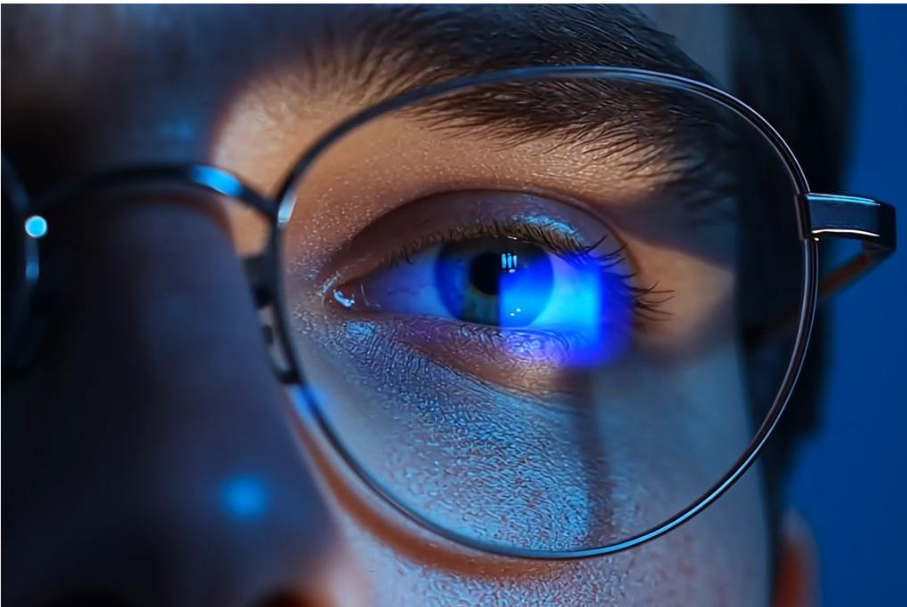
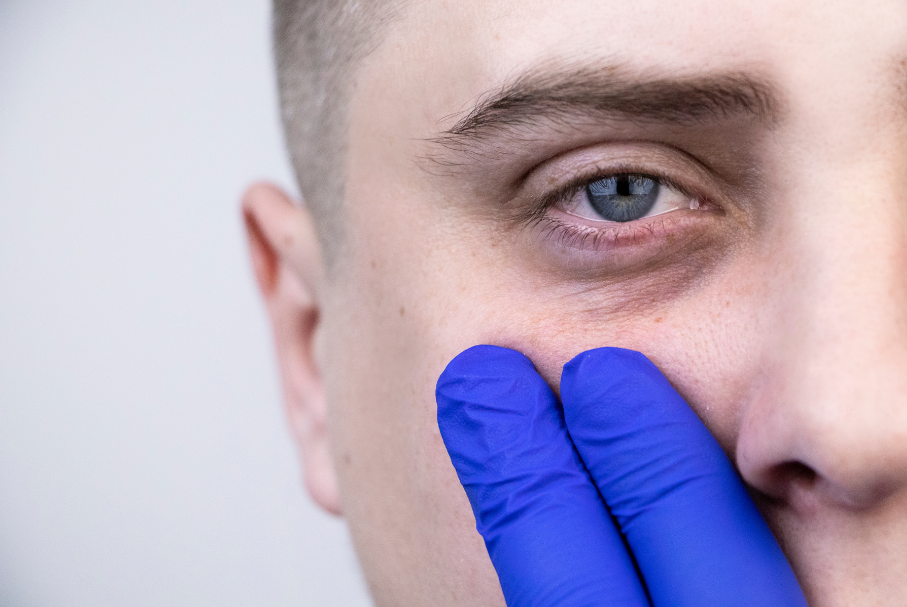
Air pollution is not only harmful to your lungs—it can also affect your eyes. Dust, smoke, vehicle emissions, industrial pollutants, and other airborne particles can irritate the delicate surface of the eyes and may worsen existing eye conditions.
With increasing pollution levels in cities like Delhi, protecting your eyes from environmental irritants has become an important part of maintaining good eye health.
In this guide, we’ll explain how pollution affects your eyes, the symptoms you should watch for, who is most at risk, and simple steps you can take to protect your vision and eye comfort.
How Does Air Pollution Affect Your Eyes?
Your eyes are constantly exposed to the surrounding environment. Unlike many other organs, the surface of the eye is directly exposed to dust, smoke, chemicals, and airborne pollutants.
Pollutants can irritate the tear film and ocular surface, potentially causing inflammation and discomfort.
Common effects may include:
Eye irritation
Redness
Burning or stinging
Watery eyes
Dryness
Itching
Foreign-body sensation
Temporary blurred vision
What Eye Problems Can Pollution Cause?
Long-term or repeated exposure to polluted air may contribute to several ocular surface problems.
These may include:
Dry Eye Disease
Allergic Eye Irritation
Conjunctival Irritation
Eye Redness
Worsening of Existing Dry Eye
Increased Ocular Discomfort
People who already have dry eyes or allergies may notice symptoms becoming worse during periods of high pollution.
Why Do Your Eyes Burn or Water in Pollution?
When the eyes come into contact with smoke, dust, and other irritants, the body’s natural protective response may increase tear production.
This can result in:
Excessive watering
Burning sensation
Redness
Itching
Temporary discomfort
Although watering may feel like the eye is producing too many tears, the quality and stability of the tear film can still be affected.
Can Pollution Cause Dry Eyes?
Yes, exposure to polluted air can contribute to ocular surface irritation and may worsen dry-eye symptoms.
Environmental pollutants can affect the tear film and increase ocular surface inflammation.
You may experience:
Dryness
Grittiness
Burning
Eye fatigue
Redness
Sensitivity to light
Blurred or fluctuating vision
If these symptoms persist even after reducing exposure to pollution, a comprehensive eye examination can help identify the underlying cause.
Who Is More Vulnerable to Pollution-Related Eye Problems?
Anyone can experience eye irritation from pollution, but some people may be more sensitive.
You may be at greater risk if you:
Already have dry eyes
Have eye allergies
Wear contact lenses
Spend long hours outdoors
Work in dusty or polluted environments
Spend significant time near traffic
Have an existing eye condition
Children and older adults may also experience greater sensitivity to environmental irritants.
How Does Pollution Affect Contact Lens Wearers?
Contact lenses sit directly on the surface of the eye and can sometimes make environmental exposure more uncomfortable.
Dust and airborne particles may become trapped between the contact lens and the eye, potentially causing irritation.
Contact lens users should:
Follow proper lens hygiene
Wash hands before handling lenses
Follow the recommended replacement schedule
Avoid wearing lenses when the eyes are significantly irritated
Use only eye drops recommended by an eye-care professional
If contact lenses consistently cause discomfort during periods of high pollution, speak with your eye-care professional.
Can Pollution Affect Children’s Eyes?
Children can also experience eye irritation from polluted air.
They may develop:
Red eyes
Watery eyes
Itching
Burning
Frequent eye rubbing
Parents should discourage children from rubbing their eyes, as frequent rubbing can further irritate the ocular surface.
If symptoms are persistent, severe, or associated with vision changes, an eye examination is recommended.
Warning Signs You Should Never Ignore
Most pollution-related eye irritation is temporary, but certain symptoms should not be dismissed.
Seek professional eye care if you experience:
Persistent redness
Severe eye pain
Sudden or persistent blurred vision
Light sensitivity
Significant swelling
Persistent discharge
Sudden vision loss
Flashes or a sudden increase in floaters
These symptoms may indicate an eye condition unrelated to simple pollution irritation and require proper evaluation.
How Can You Protect Your Eyes From Pollution?
There are several simple steps you can take to reduce exposure.
Wear Protective Eyewear
When outdoors during dusty or highly polluted conditions, sunglasses or protective glasses can help reduce direct exposure to airborne particles.
Wraparound-style eyewear can provide additional coverage from dust and wind.
Avoid Rubbing Your Eyes
Pollutants can irritate the eye surface, but rubbing can make the irritation worse and may introduce additional particles or microorganisms.
If your eyes feel irritated, gently rinse them with clean water if appropriate and avoid rubbing.
Keep Your Hands Clean
Wash your hands regularly, especially before touching your eyes or handling contact lenses.
Good hand hygiene can help reduce the risk of transferring irritants and microorganisms to the eyes.
Use Artificial Tears When Recommended
If pollution worsens your dry-eye symptoms, your ophthalmologist may recommend lubricating eye drops.
Use eye drops according to professional advice, particularly if symptoms are frequent or persistent.
Avoid using redness-relief drops regularly without medical guidance.
Limit Outdoor Exposure During Severe Pollution
When pollution levels are particularly high, consider reducing unnecessary outdoor activities.
If you need to go outside, protective eyewear can help reduce direct exposure to dust and airborne particles.
Keep Indoor Air Clean
Indoor air quality can also affect eye comfort.
Helpful measures may include:
Keeping windows closed during severe outdoor pollution
Using appropriate air filtration
Keeping indoor spaces clean
Reducing indoor smoke and strong chemical fumes
Maintaining suitable indoor humidity
Avoid Smoking and Second-Hand Smoke
Cigarette smoke contains numerous irritants that can worsen ocular surface discomfort.
Avoid smoking and minimize exposure to second-hand smoke to help protect your eye health.
Can Pollution Damage Your Eyes Permanently?
Most short-term pollution-related symptoms, such as watering, burning, and irritation, do not result in permanent eye damage when exposure is reduced.
However, repeated exposure to environmental pollutants can contribute to chronic ocular surface irritation and may worsen existing eye conditions.
Persistent symptoms should therefore not be ignored.
A comprehensive eye examination can determine whether your symptoms are caused by pollution or another underlying eye condition.
When Should You Visit an Eye Doctor?
You should schedule an eye examination if:
Eye redness continues for several days
Dryness becomes persistent
You regularly experience burning or irritation
Your vision becomes blurred
You develop significant light sensitivity
Eye symptoms interfere with your daily activities
Symptoms continue despite reducing pollution exposure
Prompt evaluation can help identify dry eye, allergy, infection, or other eye conditions that may require treatment.
Dr. Shashank Rai Gupta – Comprehensive Eye Care at Delhi Eye Care
At Delhi Eye Care, Dr. Shashank Rai Gupta and the eye-care team focus on comprehensive diagnosis and personalized treatment for a wide range of eye conditions.
Whether you are experiencing pollution-related irritation, dry eyes, allergies, or changes in vision, a detailed eye examination can help determine the underlying cause and appropriate treatment.
Why Choose Delhi Eye Care?
Experienced ophthalmologists
Comprehensive eye examinations
Advanced diagnostic facilities
Personalized treatment plans
Dry-eye and ocular surface evaluation
Modern treatment options
Comprehensive follow-up care
Our goal is to help you maintain healthy eyes and receive timely care whenever symptoms persist or affect your vision.
Final Thoughts
Pollution can have a significant impact on eye comfort, particularly in heavily polluted environments. Burning, redness, watering, itching, and dryness are common symptoms that may occur after exposure to dust, smoke, and airborne pollutants.
Simple precautions such as wearing protective eyewear, avoiding eye rubbing, maintaining good hand hygiene, reducing outdoor exposure during severe pollution, and keeping indoor air clean can help protect your eyes.
However, persistent or severe symptoms should never be assumed to be caused by pollution alone.
If you experience ongoing irritation, blurred vision, severe pain, or sudden changes in vision, consult an ophthalmologist for a comprehensive eye examination.
Book Your Eye Consultation Today
Experiencing redness, dryness, burning, or blurred vision due to pollution? Schedule a comprehensive eye examination at Delhi Eye Care with Dr. Shashank Rai Gupta and take the right step toward healthier, more comfortable eyes.