By Delhi Eye Care
If you have diabetes, protecting your eyes is just as important as managing your blood sugar. Over time, high blood sugar levels can damage the tiny blood vessels in the retina and increase the risk of serious eye conditions.
How Does Diabetes Affect Your Eyes?
When blood sugar remains high for a prolonged period, it can damage the small blood vessels that supply the retina. This can cause leakage, swelling, bleeding, and other changes that may affect your vision.
Diabetes can increase your risk of:
Diabetic Retinopathy
Diabetic Macular Edema (DME)
Cataracts
Glaucoma
What is Diabetic Retinopathy?
Diabetic retinopathy is an eye condition caused by damage to the blood vessels in the retina due to diabetes. In its early stages, it may not cause noticeable symptoms, which is why regular eye examinations are important.
Warning Signs of Diabetic Eye Disease You Should Never Ignore
Blurred or hazy vision
Sudden increase in floaters
Dark spots or streaks in your vision
Difficulty seeing at night
Difficulty reading or seeing distant objects
Sudden changes in vision
Why Can Diabetic Eye Disease Be Difficult to Detect?
One of the biggest concerns with diabetic eye disease is that it can develop without obvious symptoms. Your vision may seem normal even while changes are taking place inside the eye.
Other Eye Problems Linked to Diabetes
Diabetic Macular Edema: Fluid can build up in the macula and affect sharp central vision.
Cataracts: People with diabetes may have an increased risk of developing cataracts, which can cause cloudy or blurred vision.
Glaucoma: Diabetes may also increase the risk of glaucoma, which can damage the optic nerve and lead to vision loss.
When Should You See an Eye Doctor?
You should schedule an eye examination if you have diabetes, even if your vision appears normal. Seek prompt eye care if you experience sudden vision changes, new floaters, dark spots, persistent blurred vision, or sudden loss of vision.
How Is Diabetic Eye Disease Diagnosed?
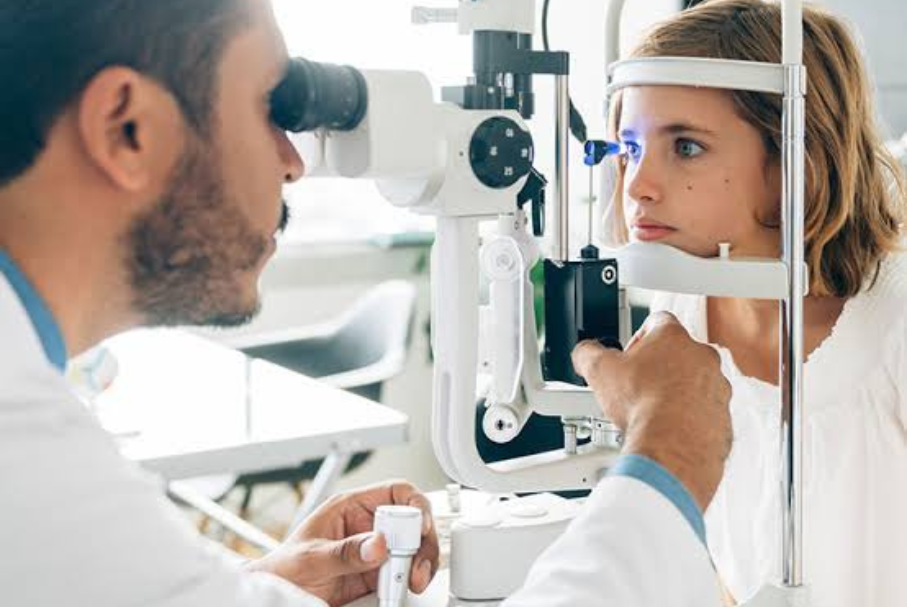
A comprehensive dilated eye examination allows an ophthalmologist to examine the retina and optic nerve and identify signs of diabetic eye disease. Additional tests may be recommended if abnormalities are detected.
How Can You Protect Your Eyes From Diabetes?
Keep your blood sugar within the target range recommended by your doctor
Monitor your HbA1c regularly
Control blood pressure and cholesterol
Take prescribed medications as advised
Stay physically active
Maintain a healthy weight
Avoid smoking
Attend regular eye examinations
Treatment for Diabetic Eye Disease
Treatment depends on the type and severity of the condition. Depending on your diagnosis, your ophthalmologist may recommend monitoring, eye injections, laser treatment, or surgery.
Why Choose Delhi Eye Care?
Experienced ophthalmologists
Comprehensive diabetic eye examinations
Advanced diagnostic technology
Personalized treatment plans
Early detection and monitoring
Comprehensive eye care under one roof
Final Thoughts
Diabetes can affect your eyes gradually and sometimes without noticeable warning signs. Regular eye examinations, proper blood sugar management, and timely treatment can help reduce the risk of serious vision problems.
If you have diabetes, don’t wait until your vision changes. Schedule a comprehensive eye examination with Delhi Eye Care to take an important step toward protecting your eyesight.
Book Your Eye Consultation Today
Get expert eye care and early detection for diabetes-related eye problems. Schedule your consultation with Delhi Eye Care today.