
By Delhi Eye Care
Cataracts are one of the leading causes of vision loss, especially among older adults. Despite being a common and highly treatable eye condition, many people delay treatment because of myths and misconceptions surrounding cataract surgery. Modern cataract surgery is safe, quick, and highly successful, helping millions of people regain clear vision every year.
In this guide, we’ll separate myths from facts about cataracts, explain how cataracts are diagnosed, what happens during surgery, what recovery looks like, and how Delhi Eye Care provides expert cataract treatment.
What Is a Cataract?
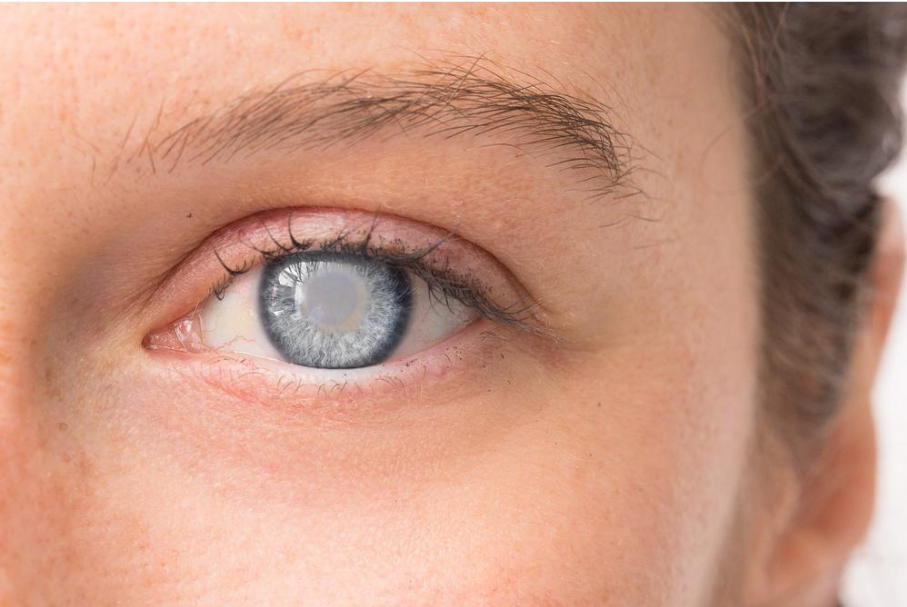
A cataract occurs when the natural lens of the eye becomes cloudy, preventing light from passing clearly to the retina. This leads to blurred vision and can gradually interfere with everyday activities such as reading, driving, and recognizing faces.
Cataracts usually develop with age but may also occur due to diabetes, eye injuries, certain medications, or prolonged UV exposure.
Common Symptoms of Cataracts
You may notice:
- Blurred or cloudy vision
- Difficulty seeing at night
- Increased sensitivity to light
- Glare or halos around lights
- Faded or dull colours
- Frequent changes in glasses prescription
- Double vision in one eye
If these symptoms affect your daily life, consult an ophthalmologist for a comprehensive eye examination.
Common Cataract Myths vs Facts
Myth 1: Cataracts Only Affect Older People
Fact: Although cataracts are more common with age, they can also develop in younger adults due to diabetes, eye injuries, steroid use, or genetic factors.
Myth 2: Cataracts Can Be Treated with Eye Drops
Fact: No eye drops or medications can remove cataracts. Surgery is the only effective treatment once vision becomes significantly affected.
Myth 3: Cataracts Must Be Fully Mature Before Surgery
Fact: Modern cataract surgery can be performed as soon as cataracts begin interfering with daily activities. Waiting too long may make surgery more difficult.
Myth 4: Cataract Surgery Is Painful
Fact: Cataract surgery is virtually painless. Numbing eye drops are used, and most patients experience only mild pressure during the procedure.
Myth 5: Recovery Takes Several Months
Fact: Most patients notice improved vision within a few days and resume normal daily activities within a short period, although complete healing may take a few weeks.
How Are Cataracts Diagnosed?
At Delhi Eye Care, a detailed eye examination helps diagnose cataracts and assess their severity.
The examination may include:
Vision Assessment
Measures your visual clarity and determines how much the cataract is affecting your eyesight.
Slit-Lamp Examination
Allows the ophthalmologist to examine the lens and other structures of the eye.
Dilated Eye Examination
Provides a detailed view of the retina and optic nerve.
Eye Pressure Test
Helps screen for glaucoma and other eye conditions.
How Is Cataract Surgery Performed?
Modern cataract surgery is a safe and minimally invasive procedure.
Step 1 – Eye Preparation
Numbing eye drops are applied to ensure comfort.
Step 2 – Small Incision
A tiny incision is made in the cornea.
Step 3 – Cataract Removal
The cloudy lens is removed using advanced phacoemulsification technology.
Step 4 – Lens Implantation
A clear artificial intraocular lens (IOL) is implanted to restore vision.
The procedure usually takes around 15–20 minutes and is performed as a daycare surgery.
Recovery After Cataract Surgery
Most patients recover quickly with proper care.
Immediately After Surgery
- Mild watering or irritation
- Slightly blurred vision
- Light sensitivity
During the First Week
- Use prescribed eye drops regularly
- Avoid rubbing your eyes
- Wear protective sunglasses outdoors
- Avoid heavy lifting and strenuous activities
Long-Term Recovery
- Attend all follow-up appointments
- Maintain proper eye hygiene
- Protect your eyes from dust and sunlight
Most patients experience significantly improved vision within a few days.
Benefits of Cataract Surgery
- Clearer and sharper vision
- Improved night vision
- Better colour perception
- Freedom from cloudy vision
- Safe and minimally invasive procedure
- Fast recovery and long-lasting results
When Should You Visit an Ophthalmologist?
Schedule an eye examination if you experience:
- Persistent blurred vision
- Difficulty driving at night
- Glare around lights
- Frequent changes in glasses
- Difficulty reading
- Reduced colour brightness
Early diagnosis allows timely treatment and better visual outcomes.
Why Choose Delhi Eye Care?
Delhi Eye Care offers advanced cataract diagnosis and treatment using modern technology and personalized patient care.
We provide:
- Experienced ophthalmologists
- Advanced cataract surgery
- Comprehensive eye examinations
- Modern diagnostic equipment
- Premium intraocular lens options
- Personalized treatment plans
- Complete pre- and post-operative care
Final Thoughts
Cataracts are a common part of aging, but they don’t have to affect your quality of life. Understanding the facts about cataracts can help you make informed decisions and avoid unnecessary delays in treatment. Modern cataract surgery is safe, effective, and offers excellent visual outcomes when performed by experienced specialists.
At Delhi Eye Care, our expert ophthalmologists provide comprehensive diagnosis, advanced cataract surgery, and personalized care to help you restore clear vision with confidence.
Book Your Cataract Consultation Today
Take the first step toward clearer vision with expert cataract care at Delhi Eye Care. Schedule your comprehensive eye examination today and learn whether cataract surgery is the right option for you.