By Delhi Eye Care
Your retina plays a vital role in how you see the world. It is a thin, light-sensitive layer at the back of the eye that receives visual information and sends signals to the brain. Problems affecting the retina can gradually or suddenly impact your vision and, if left untreated, may lead to permanent vision loss.
With advanced diagnostic technology, modern treatment options, and experienced retinal specialists, timely retina care can help detect and manage many retinal conditions effectively.
In this guide, we’ll discuss common retinal problems, warning signs you should never ignore, advanced retina treatments available today, and how to choose the best retina treatment in Delhi.
What Is the Retina and Why Is It Important?
The retina is a light-sensitive layer located at the back of your eye. It converts light entering the eye into electrical signals that travel through the optic nerve to the brain, allowing you to see.
Because the retina is essential for clear vision, any damage or disease affecting it can result in blurred, distorted, or reduced vision.
Common Retinal Conditions That Can Affect Your Vision
Several conditions can affect the retina, including:
Diabetic Retinopathy
Diabetic Macular Edema
Age-Related Macular Degeneration (AMD)
Retinal Detachment
Retinal Vein Occlusion
Macular Hole
Epiretinal Membrane
Retinal Tears
Cystoid Macular Edema
Some retinal conditions progress slowly, while others can cause sudden and serious vision changes.
Warning Signs of Retinal Problems You Should Never Ignore
Retinal diseases may not always cause symptoms in their early stages. However, certain changes in your vision require prompt evaluation.
Watch out for:
Sudden increase in floaters
Flashes of light
Blurred or distorted vision
Dark spots in your vision
Loss of peripheral vision
A curtain-like shadow over your vision
Difficulty seeing clearly
Sudden or unexplained vision loss
A sudden increase in floaters, flashes, or a shadow or curtain across your vision may be a sign of retinal detachment and requires urgent eye care.
Who Is at Higher Risk of Retinal Diseases?
Retinal problems can affect people of different ages, but certain factors can increase your risk.
You may have a higher risk if you have:
Diabetes
High blood pressure
High cholesterol
A family history of retinal disease
Age-related changes
High myopia (severe short-sightedness)
Previous eye injury or surgery
A history of retinal problems in the other eye
Regular eye examinations are particularly important if you have one or more of these risk factors.
Why Is Early Retina Diagnosis Important?
Many retinal diseases can develop without noticeable symptoms during their early stages.
By the time vision changes become obvious, the condition may already have progressed. Early diagnosis allows your ophthalmologist to identify retinal changes and recommend appropriate monitoring or treatment.
Regular retinal examinations can be especially important for people with diabetes, older adults, and individuals with a history of retinal disease.
Advanced Retina Diagnosis at Delhi Eye Care
Modern retinal care involves more than a routine vision test.
Depending on your symptoms and condition, your ophthalmologist may recommend:
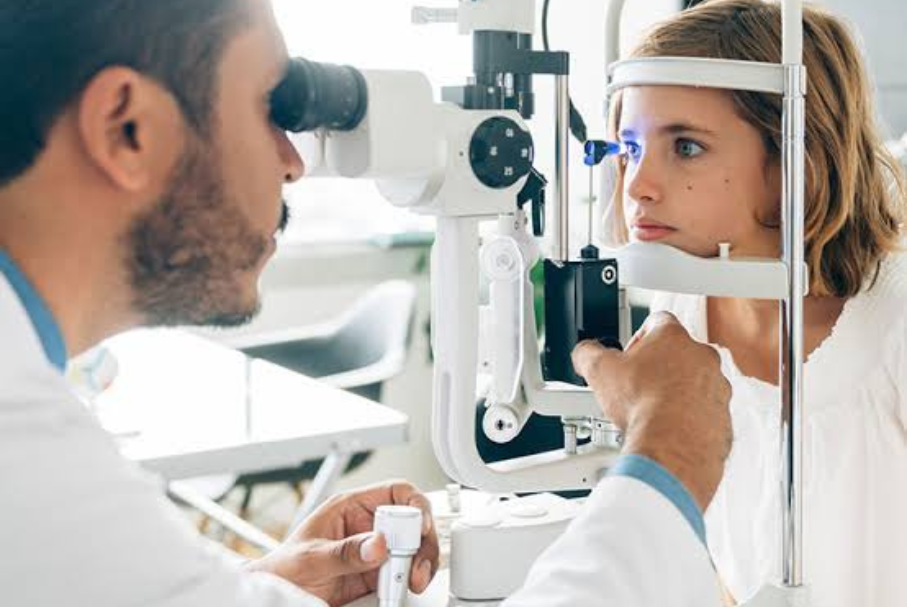
Dilated retinal examination
Optical Coherence Tomography (OCT)
OCT Angiography (OCTA)
Fundus photography
Fluorescein angiography
Ultrasound B-scan
Visual field testing
These diagnostic tools can help doctors examine the retina and detect abnormalities that may not be visible during a standard eye examination.
What Is OCT and Why Is It Important?
Optical Coherence Tomography (OCT) is a non-invasive imaging test that produces detailed cross-sectional images of the retina.
It can help doctors identify:
Retinal swelling
Macular edema
Fluid accumulation
Retinal thinning
Macular changes
Certain retinal and optic nerve abnormalities
OCT is also useful for monitoring retinal conditions over time and assessing how the eye responds to treatment.
Advanced Retina Treatment Options in Delhi
Treatment depends on the specific retinal condition, its severity, and the overall health of your eye.
Your ophthalmologist may recommend:
Observation and regular monitoring
Intravitreal injections
Laser treatment
Vitrectomy surgery
Retinal tear treatment
Surgery for retinal detachment
Treatment for diabetic retinal disease
Not every retinal condition requires surgery. In some cases, careful observation and regular imaging may be appropriate.
Intravitreal Injections for Retinal Conditions
Intravitreal injections deliver medication directly into the eye and are commonly used for certain retinal conditions.
Depending on the diagnosis, medications such as anti-VEGF drugs or corticosteroids may be recommended.
They may be used to manage conditions such as:
Diabetic macular edema
Certain forms of diabetic retinopathy
Retinal vein occlusion
Wet age-related macular degeneration
The number and frequency of injections depend on the individual condition and response to treatment.
Laser Treatment for Retinal Diseases
Laser treatment may be recommended for certain retinal conditions.
Depending on the diagnosis, laser therapy may help:
Treat retinal tears
Reduce abnormal blood vessel growth
Control leakage from damaged retinal blood vessels
Reduce the risk of complications in certain retinal diseases
Your retinal specialist will determine whether laser treatment is appropriate based on your retinal examination.
Retinal Surgery and Vitrectomy
Some advanced retinal conditions may require surgery.
Vitrectomy is a surgical procedure in which the vitreous gel inside the eye is removed or treated to allow the surgeon to address problems affecting the retina.
It may be recommended in selected cases involving:
Retinal detachment
Vitreous haemorrhage
Scar tissue affecting the retina
Certain macular conditions
Traction-related retinal problems
The recommended surgical approach depends on the specific retinal condition.
Retina Treatment for Diabetic Patients
Diabetes is one of the major conditions that can affect retinal health.
High blood sugar over time can damage the small blood vessels supplying the retina and may lead to diabetic retinopathy or diabetic macular edema.
People with diabetes should undergo regular comprehensive eye examinations, even if their vision appears normal.
Early detection and proper management can help reduce the risk of serious vision loss.
Retina Treatment for Age-Related Macular Degeneration
Age-related macular degeneration affects the macula, the central part of the retina responsible for detailed vision.
It can affect your ability to:
Read
Recognize faces
Drive
See fine details
Perform close-up activities
Certain forms of AMD can be treated or monitored depending on their type and severity. Early diagnosis is important for protecting central vision.
Retinal Detachment – Why It Requires Urgent Care
Retinal detachment occurs when the retina separates from its normal position.
It can cause:
Sudden flashes
A sudden increase in floaters
A dark curtain or shadow over your vision
Loss of peripheral vision
Sudden decrease in vision
Retinal detachment is an eye emergency. If you experience these symptoms, seek immediate ophthalmic evaluation.
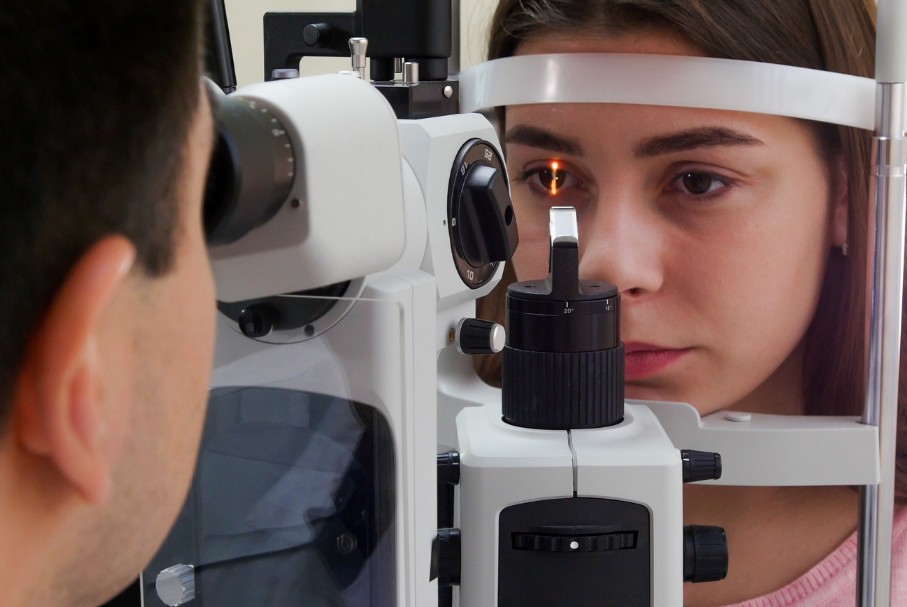
What Happens During a Retina Consultation?
Your retinal consultation may include:
Detailed medical and eye history
Vision assessment
Dilated eye examination
Retinal imaging
OCT or other specialized tests when required
Assessment of the macula and optic nerve
Discussion of treatment options
Your ophthalmologist will explain the diagnosis and recommend a treatment plan based on your individual condition.
How to Choose the Best Retina Treatment in Delhi?
Choosing the right eye hospital is important when dealing with retinal problems.
Look for a centre that offers:
Experienced retina specialists
Advanced retinal imaging technology
OCT and OCTA facilities
Comprehensive diabetic eye care
Intravitreal injection services
Laser retinal treatment
Vitreo-retinal surgery when required
Personalized treatment planning
Comprehensive follow-up care
A hospital equipped to diagnose and treat different retinal conditions can provide continuity of care from diagnosis through treatment and follow-up.
Why Choose Delhi Eye Care for Retina Treatment?
Experienced ophthalmologists and retina specialists
Advanced retinal diagnostic technology
OCT and other specialized imaging facilities
Personalized treatment plans
Modern treatment options
Comprehensive diabetic retinal care
Laser and injection-based treatments when required
Surgical retinal care for suitable cases
Dedicated pre- and post-treatment monitoring
At Delhi Eye Care, our focus is on accurate diagnosis, timely treatment, and personalized retinal care. With advanced diagnostic facilities and a comprehensive approach, we aim to help patients protect their vision and manage retinal conditions effectively.
How Can You Protect Your Retinal Health?
You can take several steps to protect your eyes and reduce the risk of vision-threatening retinal problems:
Get regular comprehensive eye examinations
Keep diabetes under control
Monitor blood pressure and cholesterol
Avoid smoking
Maintain a healthy lifestyle
Wear appropriate eye protection when needed
Do not ignore sudden vision changes
Follow your ophthalmologist’s treatment and follow-up schedule
Final Thoughts
Your retina plays a critical role in maintaining clear and detailed vision, and retinal diseases should never be ignored.
From diabetic retinopathy and macular degeneration to retinal tears and retinal detachment, early diagnosis can make an important difference in protecting your eyesight.
If you experience sudden floaters, flashes, blurred vision, distorted vision, or a curtain-like shadow in your field of vision, seek prompt eye care.
If you’re looking for the best retina treatment in Delhi, choose an eye hospital with experienced retinal specialists, advanced diagnostic technology, modern treatment options, and comprehensive follow-up care.
Book Your Retina Consultation Today
Don’t wait for retinal symptoms to affect your daily life. Schedule a comprehensive retina evaluation with Delhi Eye Care and take the first step toward protecting your vision.