Glaucoma is one of the leading causes of permanent vision loss, yet many people do not realise they have it until their eyesight is affected. The condition often develops slowly, without pain, redness, or noticeable changes in vision. This is why glaucoma is commonly known as the silent thief of sight.
In its early stages, glaucoma can damage the optic nerve without affecting the vision you use for everyday activities. By the time symptoms become noticeable, some vision loss may already have occurred. Regular eye examinations are therefore important, especially for people with a family history of glaucoma or other risk factors.
If you are looking for a Glaucoma specialist in Delhi, understanding the early warning signs, diagnostic tests, and available treatments can help you take the right steps to protect your eyesight.
What Is Glaucoma and Why Does It Develop?
Glaucoma is a group of eye conditions that damage the optic nerve, which carries visual information from the eyes to the brain. It is often associated with increased intraocular pressure, also known as eye pressure. However, glaucoma can also develop in people whose eye pressure is within the normal range.
The eye continuously produces a clear fluid that normally drains through small channels. When the drainage system does not work properly, pressure inside the eye may increase and damage the optic nerve.
Open-angle glaucoma is one of the most common types. It usually develops gradually, and patients may not notice any changes until peripheral vision begins to deteriorate.
The important thing to understand is that glaucoma-related vision loss is generally permanent. Early diagnosis and appropriate treatment can help slow down the disease and protect the vision that remains.
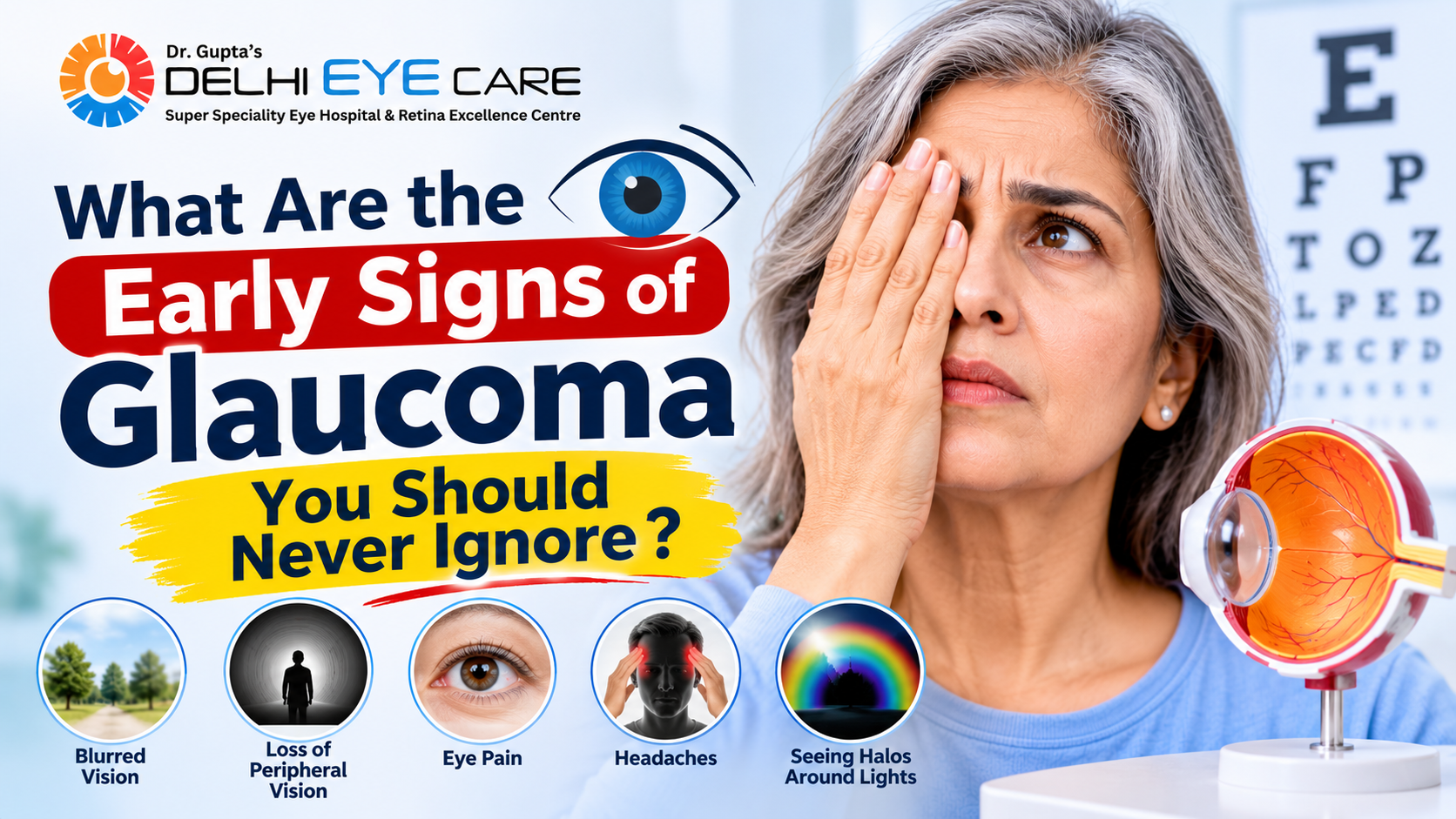
7 Early Signs of Glaucoma You Should Never Ignore
Glaucoma symptoms depend on the type and stage of the condition. Some forms develop without noticeable symptoms, while others can cause sudden and severe eye problems.
1. Gradual Loss of Peripheral Vision
One of the common signs of progressing glaucoma is difficulty seeing objects at the sides of your vision.
You may begin missing objects approaching from the side, have difficulty noticing people standing beside you, or struggle to navigate unfamiliar places.
Because this change happens gradually, many people adjust to it without realising that their peripheral vision is becoming weaker.
2. Blurred or Hazy Vision
Blurred vision can occur in certain types of glaucoma, particularly during a sudden increase in eye pressure.
However, early open-angle glaucoma often does not cause blurred vision. If your eyesight suddenly becomes hazy or unclear, especially with pain or redness, seek immediate medical attention.
3. Halos Around Lights
Seeing rainbow-coloured rings or halos around lights can sometimes indicate an acute angle-closure glaucoma attack.
You may notice this while looking at streetlights, vehicle headlights, or other bright sources of light. When halos appear suddenly along with eye pain, headache, or nausea, they should never be ignored.
4. Eye Pain or Pressure
Most people with early open-angle glaucoma do not experience eye pain. However, sudden and severe eye pain can be a warning sign of acute angle-closure glaucoma.
This condition can cause a rapid rise in eye pressure and requires emergency treatment. Do not wait for the pain to disappear on its own.
5. Headaches Along With Vision Changes
A headache alone does not necessarily indicate glaucoma. However, a sudden headache accompanied by eye pain, blurred vision, redness, or halos around lights may suggest an acute eye-pressure problem.
Pay attention to the combination of symptoms, particularly if they appear suddenly.
6. Difficulty Seeing Objects Around You
As glaucoma progresses, damage to peripheral vision can make it difficult to notice objects outside your direct line of sight.
You might bump into objects, miss steps, or have trouble noticing people approaching from either side. These changes can affect everyday activities and may increase the risk of falls.
7. Tunnel Vision in Advanced Stages
In advanced glaucoma, peripheral vision loss can become severe. Some people begin experiencing tunnel vision, where they can see objects directly in front of them but struggle to see what is happening around them.
This indicates significant damage and highlights why regular eye examinations are important even when your eyesight seems normal.
Remember: Early open-angle glaucoma often has no warning signs. Waiting for symptoms before getting your eyes checked can delay diagnosis.
Who Is at Higher Risk of Developing Glaucoma?
Glaucoma can affect people of different ages, but certain factors can increase the likelihood of developing the condition.
You may have a higher risk if you:
- Have a family history of glaucoma.
- Are above 40, with risk increasing as you get older.
- Have high eye pressure.
- Have diabetes or certain other health conditions.
- Have thin corneas or changes in the optic nerve.
- Have experienced an eye injury.
- Have used steroid medications for a prolonged period.
Having these risk factors does not automatically mean you have glaucoma. However, it is important to discuss your eye health and screening schedule with an ophthalmologist.
How Is Glaucoma Diagnosed?
A routine eyesight or spectacle-power test cannot confirm whether you have glaucoma. A comprehensive examination is needed to assess eye pressure, optic nerve health, and visual function.
Your ophthalmologist may recommend the following tests:
Eye Pressure Test (Tonometry): Measures the pressure inside your eyes. Normal eye pressure does not completely rule out glaucoma.
OCT Scan: Optical Coherence Tomography creates detailed images of the optic nerve and retinal nerve fibre layer, helping identify structural damage.
Visual Field Test: Checks your peripheral vision and helps detect areas where glaucoma may have affected your sight.
Gonioscopy: Examines the drainage angle inside the eye to help identify the type of glaucoma.
Pachymetry: Measures corneal thickness, which helps the doctor interpret eye-pressure readings accurately.
Optic Nerve Examination: Allows the specialist to assess the optic nerve for signs of damage.
These tests help determine whether glaucoma is present, how advanced it may be, and whether treatment or regular monitoring is required.
What Are the Treatment Options for Glaucoma?
Glaucoma damage to the optic nerve generally cannot be reversed. However, treatment can help control eye pressure and slow or prevent further damage.
The treatment approach depends on the type of glaucoma, its severity, and the patient’s overall eye health.
1. Glaucoma Eye Drops
Prescription eye drops are commonly used to lower eye pressure. They work by reducing fluid production inside the eye or improving fluid drainage.
Patients must follow the prescribed schedule. Skipping doses or stopping medication without medical advice can affect pressure control.
2. Laser Glaucoma Treatment
Laser treatment may be recommended for selected patients depending on the type of glaucoma.
- Laser Trabeculoplasty: Helps improve fluid drainage in certain open-angle glaucoma cases.
- Laser Peripheral Iridotomy: Creates a small opening in the iris to help prevent or treat certain types of angle closure.
The specialist decides which procedure is appropriate after examining the eyes.
3. Glaucoma Surgery
If medication and laser treatment do not provide sufficient pressure control, surgery may be considered.
Depending on the patient’s condition, surgical options may include minimally invasive glaucoma surgery (MIGS), trabeculectomy, or drainage implant procedures.
The main goal is to reduce eye pressure and protect the remaining vision. Surgery cannot restore vision already lost due to optic nerve damage.
Why Choose Delhi Eye Care for Glaucoma Treatment?
Glaucoma requires accurate diagnosis, experienced clinical care, and long-term monitoring. At Delhi Eye Care, patients receive evaluation and treatment guidance based on their individual eye condition.
Dr. Nidhi Gupta, Medical Director and Cataract, Refractive and Glaucoma Surgeon, has over 18 years of ophthalmic experience and has performed more than 20,000 successful surgeries. She completed fellowship training in Glaucoma and Cataract Surgery at Aravind Eye Hospital, Madurai.
Before joining Delhi Eye Care, she served as Senior Consultant and Head of the Glaucoma Department at Vasan Eye Care Hospitals in Delhi NCR for more than six years. She has also worked as a consultant at Venu Eye Institute. Her clinical expertise includes glaucoma management, complex glaucoma surgeries, cataract surgery, and refractive procedures.
Delhi Eye Care offers comprehensive glaucoma evaluation, including eye-pressure measurement, OCT scans, visual field analysis, pachymetry, and optic nerve assessment. Depending on the diagnosis, treatment may involve prescription eye drops, laser procedures, or surgical management.
With over 18 years of eye-care experience, more than 25,000 successful eye surgeries, and 120,000+ patients treated, Delhi Eye Care focuses on personalised treatment planning and continued patient care.
The clinic also emphasises regular follow-ups because glaucoma management does not end after the first consultation. Monitoring eye pressure and optic nerve changes helps the specialist assess whether the treatment is working effectively.
If you need a Glaucoma specialist in Delhi, a comprehensive consultation at Delhi Eye Care can help you understand your eye health and the appropriate treatment options.
How Can You Protect Your Eyes From Glaucoma?
Although glaucoma cannot always be prevented, early detection and proper management can help reduce the risk of further vision loss.
Follow these practical steps:
- Schedule comprehensive eye examinations as recommended by your ophthalmologist.
- Inform your doctor if glaucoma runs in your family.
- Use prescribed eye drops regularly.
- Never stop glaucoma medication without medical advice.
- Tell your doctor about any steroid medicines you use.
- Attend follow-up appointments even when your vision feels normal.
- Seek emergency care if you experience sudden eye pain or vision changes.
People with glaucoma may need lifelong monitoring, even when their eye pressure is under control.
Final Thoughts
Glaucoma can develop silently and damage the optic nerve before you notice any changes in your eyesight. Gradual peripheral vision loss, halos around lights, sudden blurred vision, and severe eye pain are symptoms that should never be ignored.
The most important step is not to wait for symptoms. Regular comprehensive eye examinations can help identify glaucoma early, even when your vision appears normal.
With timely diagnosis, appropriate treatment, and consistent follow-up, further damage can often be slowed or controlled. Protecting your eyesight starts with understanding the risks and taking action at the right time.
FAQ’s
1. What is the first sign of glaucoma?
Early open-angle glaucoma often develops without noticeable symptoms.
2. Can glaucoma occur without eye pain?
Yes. Most people with open-angle glaucoma do not experience pain.
3. Can glaucoma cause sudden vision loss?
Acute angle-closure glaucoma can cause rapid vision loss and needs emergency care.
4. Can glaucoma be cured permanently?
There is no permanent cure, but treatment can control its progression.
5. How often should I get checked for glaucoma?
Your ophthalmologist will recommend screening based on your age and risk factors.