
Many people believe that if they can read clearly, recognise faces, and see distant objects without difficulty, their eyes must be healthy. But diabetes can affect your eyes even when your vision feels completely normal. Some diabetes-related eye conditions develop slowly and silently, without pain, redness, or noticeable changes in eyesight.
One of the most common complications is diabetic retinopathy, a condition that damages the tiny blood vessels inside the retina. The worrying part is that early damage may go unnoticed until the condition becomes more advanced.
This is why regular retinal examinations are important for people living with diabetes. If you are looking for Diabetes eye treatment in Delhi, understanding the early risks, screening process, and available treatments can help you take better care of your vision.
Can Diabetes Damage Your Eyes Without Warning Signs?
Yes. Diabetes can damage the retina before you notice any difference in your eyesight.
The retina is the light-sensitive tissue at the back of your eye. It helps convert light into signals that your brain interprets as images. When blood sugar levels remain high over time, the tiny blood vessels supplying the retina can become weak, leak fluid, swell, or become blocked.
This condition is known as diabetic retinopathy. In its early stages, it may not cause blurred vision or discomfort. You might continue with your normal routine without realising that changes are taking place inside your eyes.
A normal vision test or the ability to read clearly does not rule out diabetic retinopathy. A comprehensive retinal examination is needed to identify early changes.
What Eye Problems Can Diabetes Cause?
Diabetes does not affect only one part of the eye. Long-term blood sugar problems can increase the risk of several eye conditions.
1. Diabetic Retinopathy
Diabetic retinopathy occurs when high blood sugar damages the blood vessels in the retina. These vessels may leak, close, or lead to the growth of abnormal new blood vessels.
Early diabetic retinopathy may have no symptoms. As it progresses, patients may experience blurred vision, dark spots, floaters, or vision loss.
2. Diabetic Macular Edema
The macula is the central part of the retina responsible for detailed vision, including reading and recognising faces.
When damaged retinal blood vessels leak fluid into the macula, swelling can develop. This is called diabetic macular edema. It may cause blurred or distorted central vision and can affect everyday activities.
3. Cataracts
People with diabetes have a higher risk of developing cataracts, sometimes at a younger age. A cataract causes the natural lens of the eye to become cloudy, leading to blurred vision, glare, and difficulty seeing clearly.
4. Glaucoma
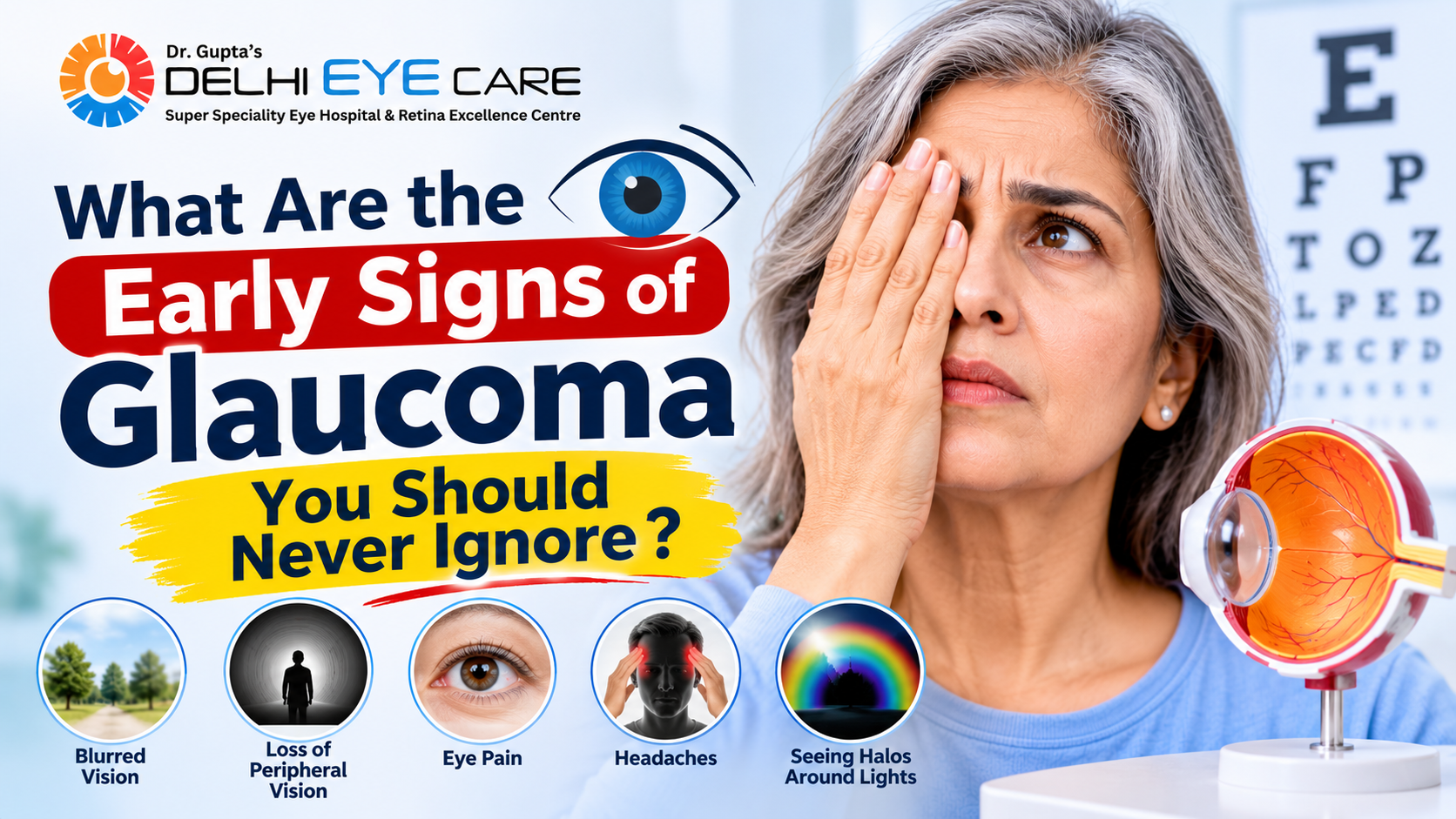
Diabetes is associated with an increased risk of certain types of glaucoma. Glaucoma damages the optic nerve and can gradually affect peripheral vision. Early glaucoma may also develop without noticeable symptoms.
These conditions are different, and each requires an appropriate eye examination and treatment plan.
Why Can You See Clearly Even When Diabetes Is Affecting Your Retina?
This is one of the most important things people with diabetes should understand.
The retina can undergo early changes without immediately affecting the central vision you use for reading or recognising objects. Small areas of leakage or damaged blood vessels may not produce noticeable symptoms.
In addition, diabetic retinopathy can progress gradually. Your eyesight may seem unchanged even while the disease develops.
Waiting until you experience blurred vision is therefore not a reliable way to decide when to visit an eye specialist. Regular screening helps identify problems before they begin affecting daily life.
What Are the Warning Signs of Diabetic Eye Disease?
Although early diabetic eye disease may be symptom-free, certain changes can appear as the condition progresses.
Watch for:
- Blurred or fluctuating vision.
- Dark spots or floating shapes.
- Difficulty reading or recognising faces.
- Straight lines appearing distorted.
- Poor vision in low-light conditions.
- Sudden changes in eyesight.
- A dark curtain or shadow across your vision.
Sudden vision loss, a sudden increase in floaters, flashes, or a curtain-like shadow requires urgent eye assessment. Do not wait for a routine appointment if these symptoms appear.
When Should People With Diabetes Get Their Eyes Checked?
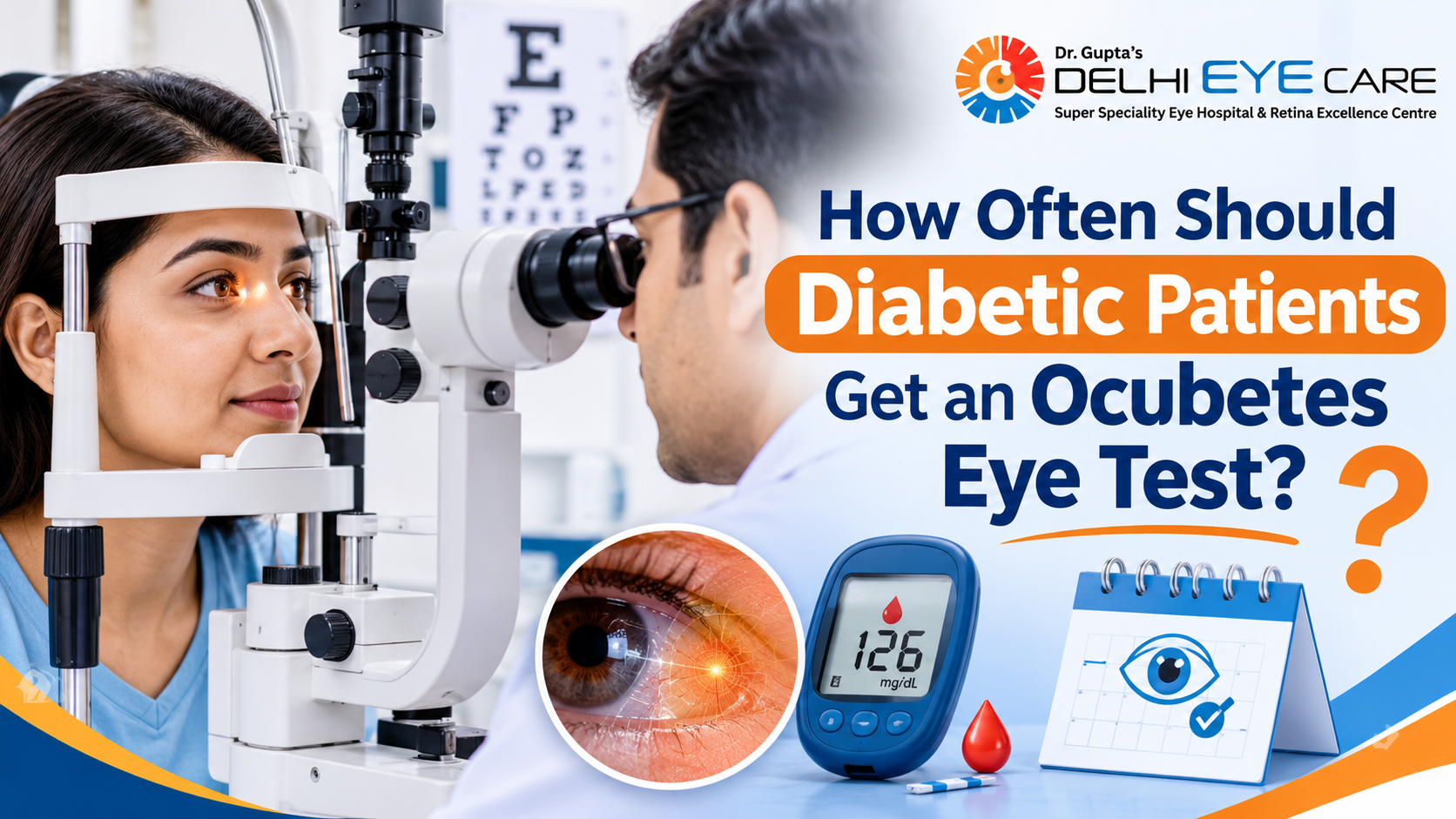
A retinal examination should not be postponed until vision becomes blurry.
The appropriate screening schedule depends on the type and duration of diabetes, pregnancy, previous retinal findings, and overall health.
For many adults with type 2 diabetes, a comprehensive dilated retinal examination is recommended at the time diabetes is diagnosed. Adults with type 1 diabetes generally need their first examination within five years of the onset of diabetes. After that, follow-up frequency is decided according to retinal findings and the advice of the eye specialist.
People with existing diabetic retinopathy may need more frequent examinations. Women with pre-existing diabetes who are planning pregnancy or are already pregnant should discuss retinal screening with their healthcare team.
Even if your eyesight is normal, do not skip your scheduled retinal check.
How Is Diabetic Eye Disease Diagnosed?
A detailed eye examination helps the specialist identify changes that may not be visible during a routine spectacle-power check.
Depending on your condition, the examination may include:
Dilated retinal examination: Eye drops widen the pupils so the specialist can examine the retina and look for bleeding, leakage, or abnormal blood vessels.
Fundus photography: Retinal photographs help document changes and compare findings during future visits.
OCT scan: Optical Coherence Tomography creates detailed cross-sectional images of the retina. It helps identify swelling and fluid around the macula.
Fluorescein angiography: When required, this test helps assess blood flow and identify leakage or abnormal retinal blood vessels.
Not every patient needs every test. The specialist recommends investigations according to the clinical findings.
What Treatments Are Available for Diabetes-Related Eye Problems?
Treatment depends on the type and severity of the condition. Not everyone with diabetic retinopathy needs immediate treatment. Some patients may only require regular monitoring and better control of their diabetes.
When intervention is necessary, options may include:
Intravitreal injections: Medication is injected into the eye to manage certain conditions, including diabetic macular edema and abnormal blood vessel growth.
Retinal laser treatment: Laser therapy may be recommended for selected cases of diabetic retinopathy to reduce the risk of further retinal complications.
Vitrectomy surgery: Advanced diabetic eye disease involving significant bleeding or traction on the retina may require surgery to remove the vitreous gel and address the retinal problem.
Cataract treatment: If diabetes contributes to a visually significant cataract, the eye specialist may discuss cataract surgery after evaluating the retina and overall eye health.
Alongside eye treatment, maintaining appropriate blood sugar, blood pressure, and cholesterol levels is important for reducing the risk of further damage. Continue your diabetes medication and follow your physician’s advice.
What Is OCUBETES and How Does It Help People With Diabetes?
OCUBETES is Delhi Eye Care’s dedicated diabetic eye-care initiative. It focuses on making retinal screening, patient education, and follow-up care easier to understand and continue.
The idea is simple: a single eye examination should not be the end of diabetic eye care. People with diabetes need an organised approach to monitoring their retinal health over time.
Through OCUBETES, patients can receive guidance on retinal evaluation, understand their examination findings, and follow a care plan based on their individual risk and condition.
The programme follows a structured approach:
- Understanding the patient’s diabetes history and previous eye reports.
- Conducting a comprehensive retinal examination.
- Arranging imaging such as OCT or fundus photography when needed.
- Explaining the findings and recommended next steps.
- Planning follow-up according to retinal health.
Importantly, not every patient requires injections, laser treatment, or surgery. The purpose of screening is to identify the condition and recommend the appropriate care at the right time.
Why Choose Delhi Eye Care for Diabetic Eye Care?
Diabetic eye disease requires more than a basic eyesight check. It needs careful retinal evaluation, an accurate diagnosis, and continued monitoring by an experienced specialist.
At Delhi Eye Care, diabetic retinal care is led by Dr. Shashank Rai Gupta, Founder Chairman and Senior Vitreo-Retina Surgeon. He has over 17 years of dedicated retina practice and completed his Vitreo-Retina fellowship training at Aravind Eye Hospital. He previously served as Senior Consultant and Head of Vitreo-Retina and Uveitis at Vasan Eye Care Hospitals, New Delhi, and worked at Venu Eye Institute and Research Centre.
His clinical experience includes 7,468 retinal procedures and surgeries and 28,700 intravitreal injections and retinal laser procedures, with experience figures updated in September 2026. His areas of expertise include diabetic retinopathy, diabetic vitrectomy, macular disease, retinal detachment, and complex retinal conditions.
Delhi Eye Care’s diabetic eye-care services include retinal screening, dilated examinations, OCT, fundus photography, retinal laser treatment, intravitreal injections, and vitreoretinal surgery when clinically required.
The OCUBETES initiative further supports patients through education, planned follow-ups, and continuity of care. The aim is to help patients understand their retinal health rather than wait for symptoms to appear.
If you are searching for Diabetes eye treatment in Delhi, a specialist consultation can help determine your retinal health and the right next step.
Final Thoughts
Diabetes can affect your eyes without causing any noticeable symptoms. You may have clear eyesight today and still have early retinal changes that need attention. That is why regular dilated retinal examinations are important for everyone living with diabetes.
Do not wait for blurred vision, floaters, or discomfort before arranging an eye check. Early detection, appropriate treatment, and consistent follow-up can help reduce the risk of diabetes-related vision loss.
FAQ‘s
1. Can diabetes damage eyes without blurred vision?
Yes. Early diabetic retinopathy often develops without noticeable vision changes.
2. How often should diabetics get an eye test?
Many patients need yearly checks, but the specialist may recommend a different schedule.
3. What is the first sign of diabetic retinopathy?
Early stages often have no symptoms or visible warning signs.
4. Can diabetic eye damage be reversed?
Some damage can be treated, but advanced damage may not be reversible.
5. Does every diabetic patient need retinal screening?
Yes. People with diabetes need retinal examinations, even with normal eyesight.