By Delhi Eye Care
Diabetes can affect almost every part of the body, including the eyes. Over time, consistently high blood sugar levels can damage the tiny blood vessels in the retina and lead to a condition called diabetic retinopathy.
Diabetic retinopathy may develop without noticeable symptoms in its early stages. As the condition progresses, it can cause blurred vision, floaters, retinal bleeding, and potentially serious vision loss.
With early detection, regular monitoring, and appropriate treatment, many patients can manage diabetic retinopathy and reduce the risk of severe vision problems.
In this guide, we’ll explain diabetic retinopathy, its symptoms and stages, advanced treatment options including laser and injections, and how to choose the right retina specialist in Delhi.
What Is Diabetic Retinopathy?
Diabetic retinopathy is a diabetes-related eye condition that affects the blood vessels of the retina.
High blood sugar can damage these delicate blood vessels, causing them to leak fluid or blood, become blocked, or develop abnormal new blood vessels.
If left untreated, diabetic retinopathy can damage the retina and may result in significant vision loss.
What Causes Diabetic Retinopathy?
Long-term high blood sugar is one of the major factors contributing to diabetic retinopathy.
As blood sugar remains elevated, the small blood vessels supplying the retina can become damaged.
This may lead to:
Leaking blood vessels
Retinal swelling
Blocked retinal blood vessels
Abnormal blood vessel growth
Bleeding inside the eye
Scar tissue formation
The risk generally increases with the duration of diabetes, which makes regular eye examinations important for people living with diabetes.
What Are the Warning Signs of Diabetic Retinopathy?
Diabetic retinopathy may not cause symptoms during its early stages.
As it progresses, you may notice:
Blurred vision
Sudden increase in floaters
Dark spots or streaks in your vision
Difficulty seeing at night
Distorted vision
Changes in vision from day to day
Difficulty reading or seeing details
Sudden vision loss
If you experience sudden or significant changes in vision, seek prompt ophthalmic evaluation.
Why Can Diabetic Retinopathy Be Difficult to Detect?
One of the biggest challenges with diabetic retinopathy is that it can develop silently.
You may have retinal changes even when your vision seems completely normal.
This is why people with diabetes should not wait until they notice vision problems before getting their eyes examined.
A comprehensive dilated retinal examination can help detect diabetic eye disease at an earlier stage.
Stages of Diabetic Retinopathy
Diabetic retinopathy is generally classified into different stages depending on the changes occurring in the retinal blood vessels.
Mild Non-Proliferative Diabetic Retinopathy
Small areas of the retinal blood vessels may weaken and develop tiny bulges called microaneurysms.
At this stage, you may not notice any changes in your vision.
Moderate Non-Proliferative Diabetic Retinopathy
As the condition progresses, more retinal blood vessels may become blocked, reducing the blood supply to parts of the retina.
Severe Non-Proliferative Diabetic Retinopathy
More blood vessels can become blocked, causing areas of the retina to receive insufficient oxygen.
This can increase the risk of abnormal blood vessel growth.
Proliferative Diabetic Retinopathy
In advanced diabetic retinopathy, abnormal new blood vessels may grow on the surface of the retina or into the vitreous.
These fragile vessels can bleed and may lead to scar tissue, retinal traction, or retinal detachment.
What Is Diabetic Macular Edema?
Diabetic macular edema occurs when fluid leaks into the macula, the central part of the retina responsible for sharp, detailed vision.
It can cause:
Blurred central vision
Difficulty reading
Distorted vision
Difficulty recognizing faces
Reduced visual clarity
Diabetic macular edema can occur at different stages of diabetic retinopathy and may require specific treatment.
How Is Diabetic Retinopathy Diagnosed?
A comprehensive diabetic eye examination may include:
Visual acuity testing
Dilated retinal examination
OCT imaging
OCT angiography when required
Fundus photography
Fluorescein angiography in selected cases
Other retinal imaging tests
These tests allow the retina specialist to evaluate blood vessels, retinal thickness, macular swelling, bleeding, and other abnormalities.
Why Is OCT Important in Diabetic Retinopathy?
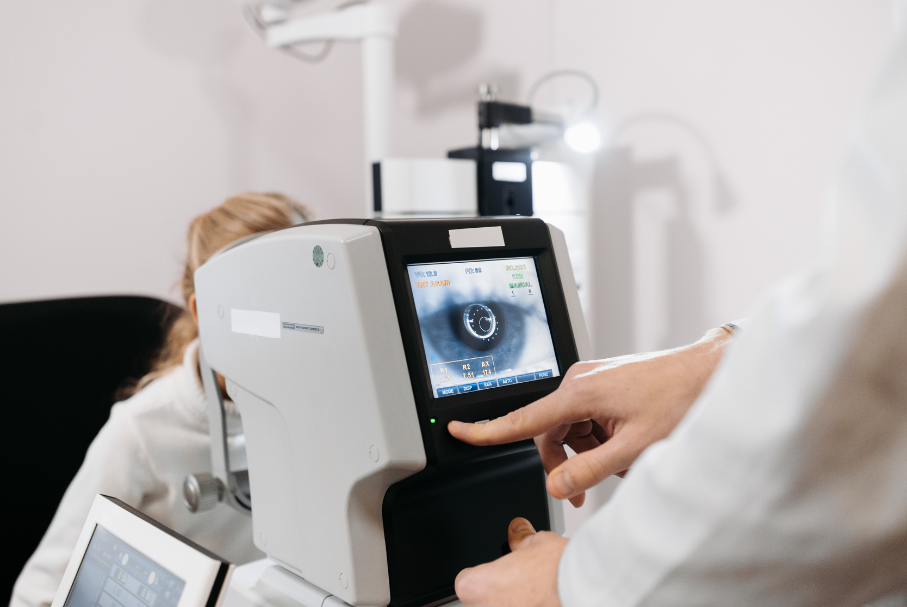
Optical Coherence Tomography (OCT) is a non-invasive imaging test that creates detailed cross-sectional images of the retina.
It can help identify:
Macular swelling
Fluid accumulation
Retinal thickening
Changes in retinal layers
Treatment response
OCT can also help your retina specialist monitor changes over time and determine whether additional treatment is needed.
Diabetic Retinopathy Treatment in Delhi
Treatment depends on the stage of diabetic retinopathy, the presence of macular edema, the condition of the retina, and your overall health.
Depending on your condition, your retina specialist may recommend:
Regular monitoring
Anti-VEGF injections
Steroid injections or implants in selected cases
Laser treatment
Vitrectomy surgery
A combination of treatments
The goal is to control the retinal disease, reduce the risk of further vision loss, and preserve useful vision.
Anti-VEGF Injections for Diabetic Retinopathy
Anti-VEGF injections are commonly used for certain diabetic retinal conditions, particularly diabetic macular edema and some cases of proliferative diabetic retinopathy.
These medications help reduce abnormal blood vessel growth and leakage from retinal blood vessels.
Treatment may require multiple injections depending on the severity of the condition and how your eye responds.
Your retina specialist will determine the appropriate medication and treatment schedule for you.
Laser Treatment for Diabetic Retinopathy
Laser treatment can be useful in selected cases of diabetic retinopathy.
Depending on the condition, laser therapy may be used to treat abnormal retinal blood vessels or reduce areas of retinal leakage.
A commonly used approach for advanced proliferative diabetic retinopathy is panretinal photocoagulation, which uses laser treatment across areas of the peripheral retina to reduce the stimulus for abnormal blood vessel growth.
Your retina specialist will determine whether laser treatment is appropriate for your eye.
When Is Vitrectomy Surgery Required?
Advanced diabetic retinopathy may sometimes cause significant bleeding into the vitreous or the development of scar tissue that pulls on the retina.
In selected cases, vitrectomy surgery may be recommended.
It may be considered for complications such as:
Persistent vitreous haemorrhage
Tractional retinal detachment
Certain advanced retinal complications
Scar tissue affecting vision
The need for surgery depends on the severity and specific characteristics of the retinal condition.
Can Diabetic Retinopathy Be Cured Completely?
There is currently no single treatment that permanently eliminates diabetic retinopathy in every patient.
However, early diagnosis, appropriate treatment, and good diabetes management can help slow progression and reduce the risk of severe vision loss.
Some patients may require ongoing monitoring or repeated treatments to keep the condition under control.
How Can You Protect Your Eyes From Diabetic Retinopathy?
Managing diabetes is an important part of protecting your retinal health.
You should:
Keep blood sugar within your doctor-recommended range
Monitor HbA1c regularly
Control blood pressure
Manage cholesterol levels
Take prescribed medications as advised
Maintain a healthy lifestyle
Avoid smoking
Attend regular diabetic eye examinations
Follow your retina specialist’s treatment schedule
Good systemic health management combined with regular retinal care can help reduce the risk of diabetes-related vision complications.
How Often Should Diabetic Patients Get Their Eyes Checked?
People with diabetes should undergo regular comprehensive eye examinations, even when their vision appears normal.
The frequency of follow-up depends on your diabetes, retinal findings, treatment history, and overall risk.
Patients who already have diabetic retinopathy may need more frequent examinations and retinal imaging.
Your ophthalmologist or retina specialist will recommend the appropriate follow-up schedule.
Who Should Visit a Retina Specialist?
You should consider a retinal evaluation if you have:
Diabetes with changes in vision
Known diabetic retinopathy
Diabetic macular edema
Sudden increase in floaters
Flashes of light
Dark spots or shadows
Unexplained blurred vision
Previous retinal treatment
A history of retinal bleeding
If you experience sudden vision loss or a significant change in your vision, seek urgent eye care.
How to Choose the Best Diabetic Retinopathy Treatment in Delhi?
Choosing the right eye hospital and retina specialist is important for managing diabetic eye disease.
Look for a centre that offers:
Experienced retina specialists
Comprehensive diabetic eye examinations
Advanced OCT and retinal imaging
Intravitreal injection facilities
Laser treatment for suitable cases
Vitreo-retinal surgery when required
Personalized treatment plans
Regular monitoring and follow-up
Comprehensive diabetic eye care
A hospital with comprehensive retinal services can help you receive appropriate diagnosis, treatment, and long-term monitoring under one roof.
Why Choose Delhi Eye Care for Diabetic Retinopathy Treatment?
Experienced ophthalmologists and retina specialists
Advanced retinal diagnostic technology
OCT and specialized retinal imaging
Diabetic macular edema evaluation
Anti-VEGF injection treatment when indicated
Laser treatment for suitable retinal conditions
Vitreo-retinal surgical care
Personalized treatment plans
Comprehensive pre- and post-treatment monitoring
At Delhi Eye Care, we focus on early detection, accurate diagnosis, and personalized treatment for diabetic retinal conditions. Our comprehensive approach helps patients understand their condition and receive appropriate care based on the stage and severity of their disease.
Final Thoughts
Diabetic retinopathy can develop silently, but timely diagnosis and appropriate treatment can make an important difference in protecting your vision.
From regular monitoring to advanced treatments such as anti-VEGF injections, laser therapy, and retinal surgery, the right treatment depends on the individual condition of your eyes.
If you have diabetes, don’t wait for vision loss before getting your retina checked. Regular diabetic eye examinations and proper management of blood sugar, blood pressure, and cholesterol are important parts of protecting your eyesight.
If you’re looking for diabetic retinopathy treatment in Delhi, choose a centre with experienced retina specialists, advanced diagnostic technology, and comprehensive treatment options.
Book Your Retina Consultation Today
Have diabetes or experiencing changes in your vision? Schedule a comprehensive diabetic retina evaluation with Delhi Eye Care and take the first step toward protecting your eyesight.