By Delhi Eye Care
Cataracts are common with age, but people with diabetes may develop cataracts earlier and can require additional eye evaluation before and after surgery. High blood sugar can affect the natural lens of the eye and may also be associated with diabetic retinopathy or diabetic macular edema, which can influence visual outcomes after cataract surgery.
If you have diabetes and are planning cataract surgery, choosing an experienced eye hospital with comprehensive diabetic eye care is especially important.
In this guide, we’ll explain why cataract surgery requires special attention in diabetic patients, what evaluations are important before surgery, how the procedure works, and how to choose the right eye hospital in Delhi.
Why Are Cataracts More Common in People With Diabetes?
Diabetes can affect the eye in several ways. Persistently elevated blood sugar can cause changes in the natural lens of the eye, increasing the risk of cataract development.
People with diabetes may also develop cataracts at a younger age compared with people without diabetes.
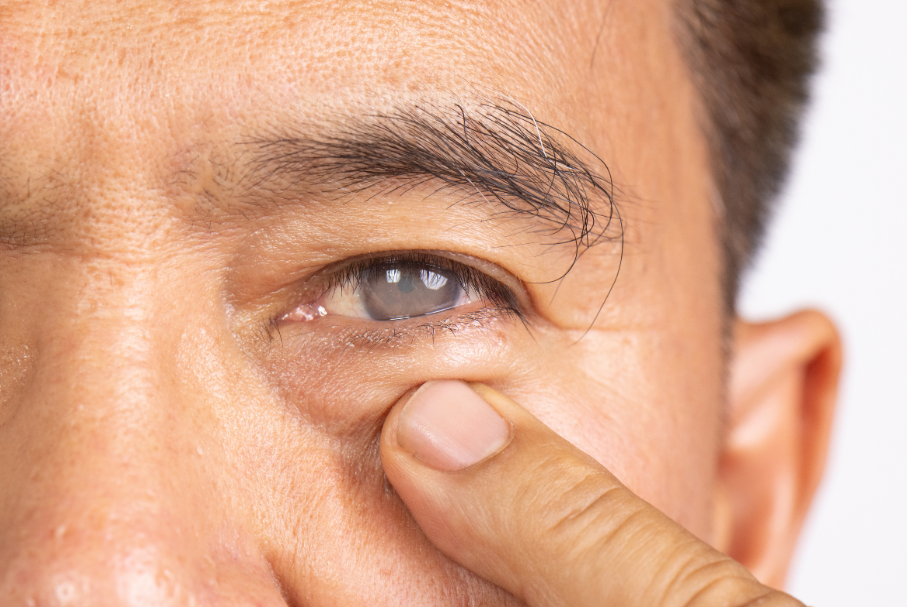
Common symptoms of cataracts include:
Blurred or cloudy vision
Difficulty seeing at night
Sensitivity to bright lights
Glare or halos around lights
Faded or dull-looking colours
Frequent changes in glasses prescription
Difficulty reading or seeing distant objects
Why Is Cataract Surgery Different for Diabetic Patients?
Cataract surgery can be safely performed in many people with diabetes, but diabetic patients may require more detailed evaluation and monitoring.
Diabetes can affect the retina and macula, and conditions such as diabetic retinopathy or diabetic macular edema may already be present without causing obvious symptoms. These conditions can affect the visual outcome of cataract surgery.
This is why choosing a hospital with both cataract and retinal expertise can be particularly important for diabetic patients.
What Should Be Checked Before Diabetic Cataract Surgery?
A thorough pre-operative evaluation is essential before cataract surgery.
Your ophthalmologist may evaluate:
Cataract severity
Retinal health
Presence of diabetic retinopathy
Macular swelling or diabetic macular edema
Eye pressure
Corneal health
Overall eye condition
Blood sugar and other relevant medical factors
A detailed retinal assessment is especially important because existing diabetic retinal disease may affect the expected visual outcome.
Why Is Retinal Evaluation Important Before Cataract Surgery?
A cataract affects the natural lens of the eye, but diabetes can affect the retina at the back of the eye.
If diabetic retinopathy or macular edema is present, simply removing the cataract may not address all the reasons for reduced vision.
A retinal examination helps your ophthalmologist identify underlying retinal problems and create a more appropriate treatment plan before or around the time of cataract surgery.
Can Diabetic Patients Undergo Cataract Surgery?
Yes. Many people with diabetes undergo successful cataract surgery.
However, the timing and approach should be decided individually based on your cataract, retinal condition, blood sugar management, overall health, and other eye-related factors.
Modern cataract surgery has improved outcomes considerably, but diabetic patients still require appropriate pre-operative assessment and post-operative monitoring.
The Diabetic Cataract Surgery Process – Step by Step
Comprehensive Eye Examination
Your ophthalmologist evaluates the cataract, retina, macula, optic nerve, eye pressure, and overall eye health.
Diabetes and Medical Assessment
Your doctor may review your blood sugar control and other medical conditions and may coordinate with your physician when necessary.
Retinal Evaluation
The retina is carefully assessed for diabetic retinopathy, macular edema, bleeding, or other abnormalities.
IOL Selection
Once your eye has been evaluated, your ophthalmologist will discuss the most suitable intraocular lens (IOL) options based on your eye health, visual requirements, and individual needs.
Cataract Removal
During cataract surgery, the cloudy natural lens is removed and replaced with an artificial intraocular lens.
Post-Operative Monitoring
Follow-up visits are particularly important for diabetic patients to monitor healing, inflammation, retinal changes, and visual recovery.
What Are the Risks of Cataract Surgery in Diabetic Patients?
Cataract surgery is generally safe, but diabetes can increase the need for careful monitoring.
Possible concerns may include:
Worsening or progression of diabetic retinopathy
Diabetic macular edema
Inflammation
Delayed healing
Infection
Changes in eye pressure
Retinal or vitreous complications
Diabetic retinopathy and other retinal conditions can influence visual outcomes after cataract surgery, which makes proper evaluation and follow-up important.
How Can You Prepare for Diabetic Cataract Surgery?
Before surgery, follow your ophthalmologist’s and physician’s instructions carefully.
Important steps may include:
Keep your blood sugar appropriately managed
Take your prescribed medications as advised
Complete all recommended eye tests
Inform your eye surgeon about your diabetes medications
Complete a retinal examination
Discuss any existing diabetic retinopathy
Follow your pre-operative instructions carefully
Attend all scheduled follow-up appointments
Your doctor will determine whether any additional medical evaluation or treatment is required before surgery.
What Happens After Diabetic Cataract Surgery?
Recovery varies from person to person, but your ophthalmologist will provide specific instructions based on your eye condition.
After surgery:
Use prescribed eye drops as directed
Avoid rubbing or pressing the operated eye
Protect your eyes as advised
Attend scheduled follow-up appointments
Monitor for changes in vision
Continue managing your diabetes as advised
Regular follow-up is particularly important if you have diabetic retinopathy or other retinal conditions.
When Should You Contact Your Eye Doctor After Surgery?
Contact your ophthalmologist promptly if you experience:
Sudden decrease in vision
Increasing eye pain
Severe redness
New or sudden floaters
Flashes of light
A curtain-like shadow in your vision
Significant swelling or discharge
Any sudden or significant change in vision after cataract surgery should be evaluated promptly.
How to Choose the Best Eye Hospital in Delhi for Diabetic Cataract Surgery?
Choosing the right eye hospital is an important decision, particularly when cataract surgery is combined with diabetes-related eye concerns.
Look for a hospital that offers:
Experienced cataract surgeons
Comprehensive retinal evaluation
Advanced diagnostic technology
Specialized diabetic eye care
Modern cataract surgery facilities
Multiple IOL options
Personalized treatment planning
Comprehensive post-operative follow-up
A hospital that can evaluate both the cataract and the retina can help ensure that your complete eye health is considered when planning treatment.
Why Choose Delhi Eye Care for Diabetic Cataract Surgery?
Experienced ophthalmologists
Advanced cataract surgery technology
Comprehensive diabetic eye evaluation
Retina assessment and monitoring
Personalized treatment plans
Advanced diagnostic facilities
Careful pre-operative and post-operative monitoring
Comprehensive eye care under one roof
At Delhi Eye Care, we understand that diabetic patients may require more than routine cataract treatment. Our approach focuses on evaluating the complete health of your eye, identifying any diabetes-related complications, and developing a personalized treatment plan.
Final Thoughts
If you have diabetes and cataracts, cataract surgery can help restore clearer vision, but choosing the right eye hospital and undergoing a thorough eye evaluation are essential steps.
Diabetes can affect not only the lens but also the retina and macula. Therefore, a comprehensive assessment before surgery and appropriate follow-up afterward can help your ophthalmologist identify potential concerns and plan treatment accordingly.
If you’re looking for the best eye hospital in Delhi for diabetic cataract surgery, choose a centre with experienced cataract specialists, retinal expertise, advanced technology, and comprehensive diabetic eye care.
Book Your Cataract Consultation Today
Don’t let diabetes delay the care your eyes need. Schedule a comprehensive cataract and diabetic eye evaluation with Delhi Eye Care and take the first step toward clearer, healthier vision.